Bulldog ants, with their formidable reputation and fearsome behavior, have captivated the curiosity of nature enthusiasts worldwide. If you’re intrigued by these aggressive insect predators and interested in debunking common myths surrounding them, this article is a must-read. We’ll take you on a fascinating journey deep into the world of bulldog ants, unraveling the truth behind their aggressive nature and exploring the complexities of their behavior.
Get ready to discover why bulldog ants are considered some of the fiercest predators in the insect kingdom. Delve into their societal structures, where queens, workers, and male drones collaborate to ensure the success and survival of the colony. Learn about their anatomy, characterized by large size, robust mandibles, and venomous stingers, perfect tools for capturing prey and defending their territory.
But are bulldog ants truly as aggressive as they’re made out to be? We’ll separate fact from fiction, exploring their defensive strategies and shedding light on their response to perceived threats. Unveil their complex communication methods and social interactions, from chemical signals to tactile cues. Delve into their astonishing reproductive cycle, with dramatic nuptial flights and fierce mating competitions.
As you explore these captivating aspects of bulldog ant behavior, you’ll gain a deeper understanding of their crucial role within their ecosystems. And, of course, we’ll provide essential safety tips to help you avoid any unwanted encounters if you happen to come face-to-face with these remarkable creatures.
So, join us on this enthralling journey into the world of bulldog ants. Discover the truth behind their aggressive image, explore their intricate behavior, and gain a newfound appreciation for the wonders of the insect world. Your adventure awaits!
Are Bulldog Ants Really as Aggressive as They’re Made Out to Be?
Bulldog Ants: The Ferocious Hunters
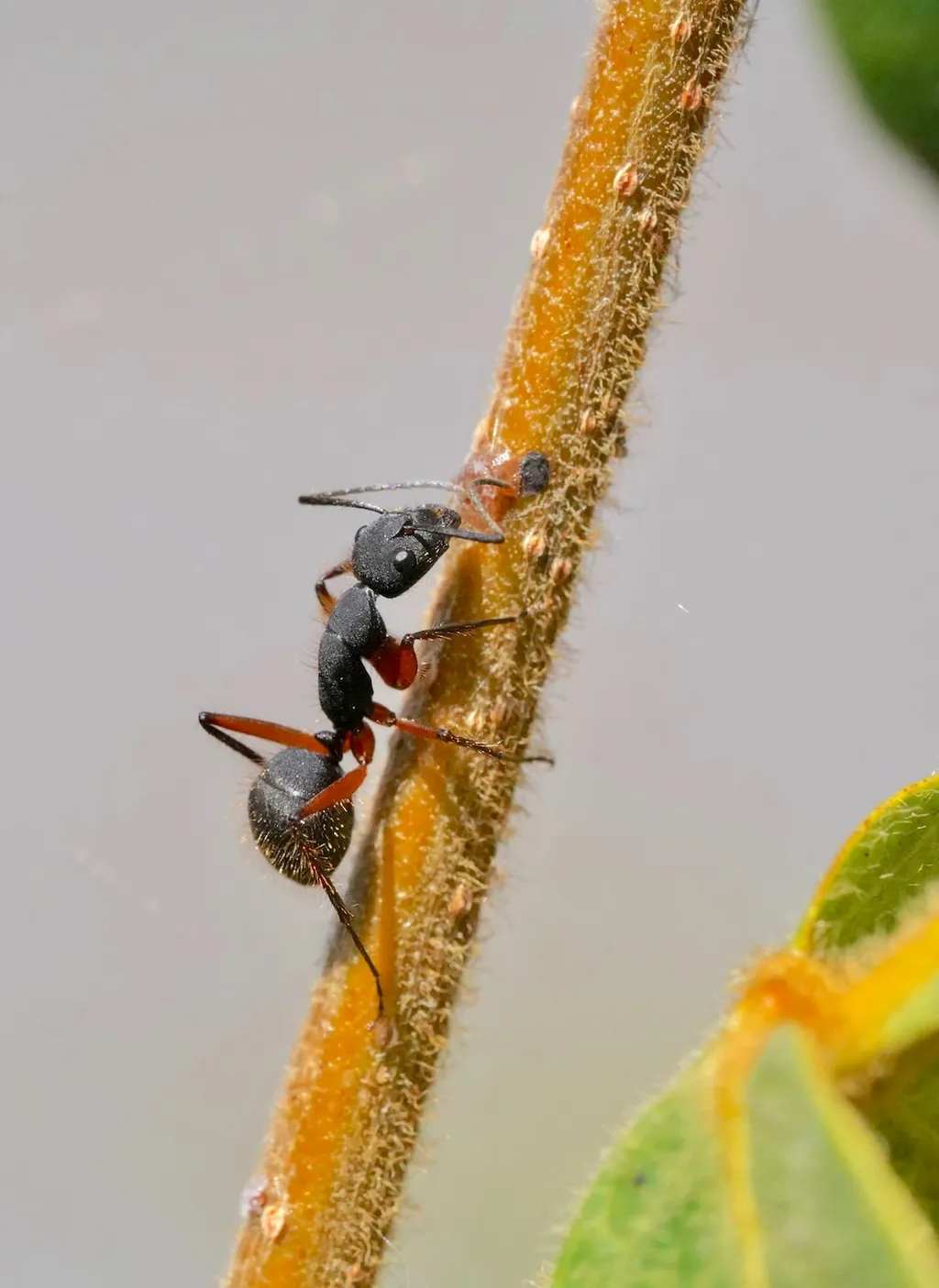
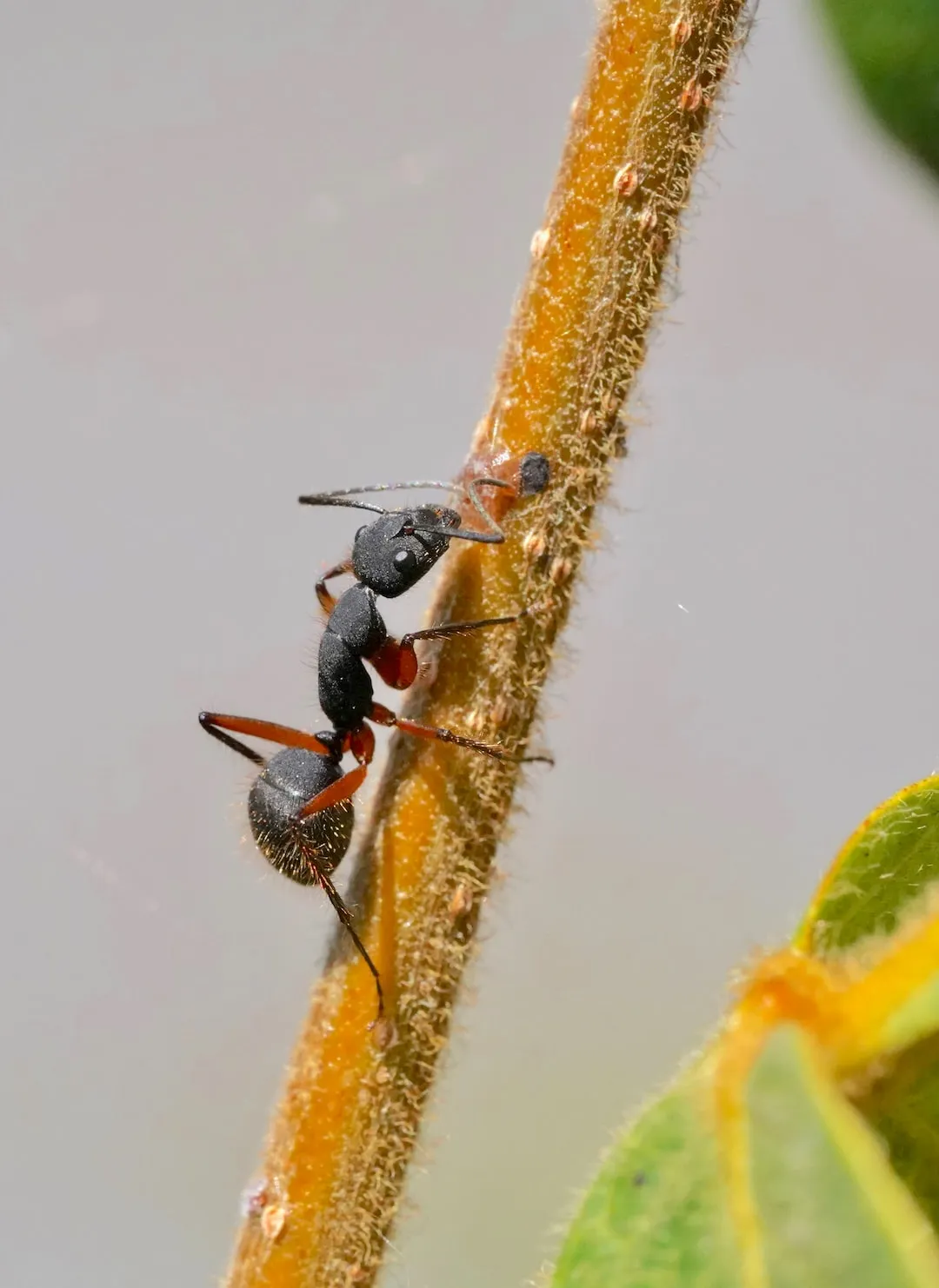
Bulldog ants, also known as Myrmecia ants, are famous for their ferocious reputation. These ants are native to Australia and are widely regarded as one of the most aggressive ant species in the world. Their name “bulldog” aptly describes their behavior as they display strength, determination, and fearlessness in their hunting and defensive strategies.
Anatomy and Societal Structure
Bulldog ants belong to the Myrmeciinae subfamily and are known for their large size compared to other ant species. They can grow up to 25 mm long, making them one of the largest ant species in Australia. Their robust mandibles, sharp stingers, and strong exoskeleton contribute to their reputation as formidable predators.
Bulldog ants live in colonies with complex societal structures. These colonies usually consist of a single queen, male drones, and a large number of female workers. The queen is responsible for reproduction, while the workers handle the tasks of foraging, hunting, and defending the colony.
Aggressive Behavior: Fact or Fiction?
The aggressive nature of bulldog ants is not a myth. These ants are highly territorial and will fiercely defend their nests against any perceived threat. They have been known to chase intruders, such as humans or other animals, for quite a distance and deliver painful stings with their venomous stingers.
Bulldog ants have well-developed eyesight, allowing them to detect movements and potential threats quickly. They use this acute vision to patrol their surroundings and attack anything that comes too close to their nest. Additionally, their pincer-like mandibles can deliver powerful bites when provoked.
Defensive Strategies
When it comes to defense, bulldog ants have a few tricks up their sleeves. First, they have a venomous sting that can cause severe pain and allergic reactions in humans. The venom of bulldog ants contains a potent neurotoxin that affects the nervous system of their victims.
Furthermore, bulldog ants exhibit a behavior known as “body flipping.” When confronted, they will raise their abdomen, exposing their stinger while simultaneously flipping their bodies to confront their attacker head-on. This aggressive display is usually enough to ward off potential threats.
Human Encounters and Safety Measures
While bulldog ants can be dangerous, they generally do not seek out human encounters. Most attacks occur when humans accidentally disturb their nests or step on them by mistake. If you come across a bulldog ant in the wild, it is essential to remain calm and avoid any sudden movements.
If you do get stung by a bulldog ant, it is crucial to seek medical attention, especially if you experience allergic reactions or severe pain. Applying a cold compress and using antihistamines can help alleviate the symptoms temporarily.
Conclusion
Bulldog ants may be aggressive, but they play a vital role in the ecosystem as efficient hunters and scavengers. While they have earned their fearsome reputation, it is important to understand that they only attack when they feel threatened. By respecting their space and taking necessary precautions, both humans and bulldog ants can coexist peacefully in their respective environments.
Bulldog Ants: A Closer Look at their Complex Behavior
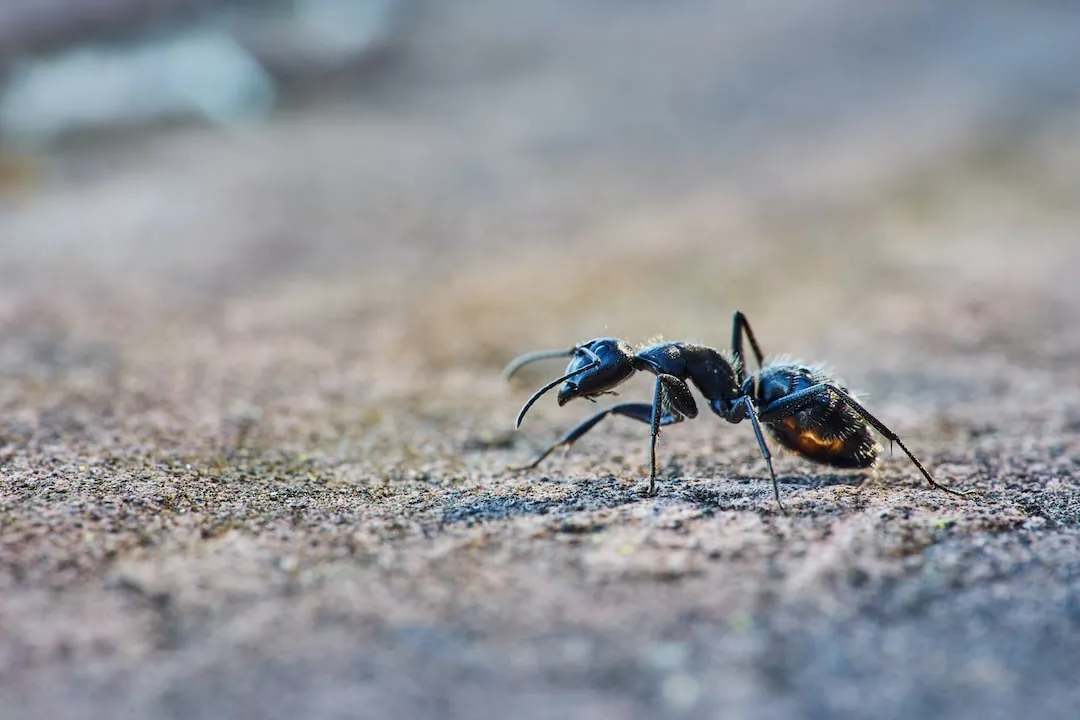
Bulldog ants are one of the most fascinating insects in the world. With their fierce appearance and aggressive behavior, they have earned a reputation as one of the most formidable insect species. In this article, we will take a closer look at the complex behavior of bulldog ants and uncover some interesting facts about these intriguing creatures.
Colony Structure and Division of Labor
Bulldog ants live in large colonies consisting of thousands of individuals. Each colony is headed by a queen, who is responsible for reproduction. The queen bulldog ant is the largest member of the colony and can grow up to 3 centimeters in length. She lays hundreds of eggs, which hatch into larvae and eventually develop into worker ants.
Within the colony, there is a clear division of labor. The worker ants are responsible for foraging, hunting, and food storage. They venture out from the nest in search of prey, which mainly consists of other insects, spiders, and even small vertebrates. The workers are equipped with powerful jaws and a venomous sting, making them formidable hunters.
Communication and Social Interaction
Bulldog ants communicate with each other through a combination of chemical signals and tactile cues. They release pheromones, which are chemical substances that convey messages to other ants. These pheromones help them coordinate their activities, such as foraging and defending the nest.
In addition to chemical communication, bulldog ants also engage in physical interaction. They have highly developed antennae, which they use to touch and interact with their nestmates. These antennae are equipped with sensory receptors that allow them to detect vibrations and chemical signals from other ants.
Reproduction and Mating Behavior
The reproductive cycle of bulldog ants is quite fascinating. Once a year, the male bulldog ants emerge from their nests and take flight in search of a mate. This event, known as the nuptial flight, is a spectacular sight as thousands of winged ants take to the air.
During the nuptial flight, the males pursue the female ants and try to mate with them. However, the competition is fierce, and only the strongest and fastest males are successful in mating. After mating, the male ants die, and the fertilized females land and establish new colonies to become queens.
Defense Mechanisms and Adaptations
Bulldog ants are highly aggressive and have a potent venomous sting. When threatened or disturbed, they can deliver a painful sting, which can cause severe allergic reactions in humans. Their sting is so powerful that it has been compared to that of a bullet ant, earning them the name “bulldog ants.”
In addition to their sting, bulldog ants have several other defense mechanisms and adaptations. They have strong mandibles that allow them to bite and hold onto their prey or attackers. They also have large eyes that provide them with excellent vision, aiding in their hunting and defense strategies.
In conclusion, bulldog ants are fascinating creatures with complex behavior and unique adaptations. From their colony structure and division of labor to their communication and mating behavior, these ants exhibit a remarkable level of organization and social interaction. While they may be fearsome and aggressive, bulldog ants play a crucial role in their ecosystem and provide insights into the marvels of the natural world.