
Are you curious about spiders and their unique behaviors? Have you ever wondered what it would be like to have a spider as a pet? Whether you’re an arachnid enthusiast or just intrigued by these fascinating creatures, this article is for you. We will delve into the world of spiders as pets, exploring the safety considerations of keeping both venomous and non-venomous species. From understanding the risks associated with venomous spiders to creating a perfect habitat for your pet, we will provide you with all the information you need to embark on this exciting journey.
As you read further, you will discover the differences between venomous and non-venomous spiders, and the precautions you should take if you’re considering keeping a spider as a pet. We will explore well-known venomous species, such as black widows and brown recluses, and shed light on their potentially dangerous bites. On the other hand, you will also learn about the wide array of non-venomous spiders that can be safely kept as pets, including popular tarantula species like the Chilean rose hair and the Mexican redknee.
Additionally, we will guide you through the important safety precautions to ensure the well-being of both you and your pet spider. From researching spider species and setting up appropriate enclosures to understanding proper handling techniques, we’ve got you covered. We will also share insights on creating the perfect spider habitat at home, including substrate choices, temperature and humidity regulation, and feeding guidelines.
So, if you’re ready to explore the world of spiders as pets and learn how to provide a safe and enriching environment for these eight-legged wonders, let’s dive in! Your journey into the captivating world of pet spiders begins right here.
Spider Safety: Keeping Venomous vs. Non-venomous Species
Spiders are intriguing creatures that fascinate many people. Some enthusiasts even contemplate the idea of keeping spiders as pets. However, when considering spider ownership, safety is of utmost importance. One crucial aspect to consider is the venomous nature of certain spider species. In this article, we will take a closer look at the differences between venomous and non-venomous spiders and discuss the precautions to take for spider safety.
Venomous Spider Species
Venomous spiders are those that possess injected venom, which they use to subdue their prey or defend themselves when threatened. It is important to note that not all spiders are venomous, and even among venomous species, the degree of danger varies. The two most well-known venomous spiders are the black widow (Latrodectus spp.) and the brown recluse (Loxosceles reclusa).
Black widow spiders are easily identified by their glossy black bodies and the red hourglass shape on their underside. The female black widow, although timid and non-aggressive unless provoked, can deliver a venomous bite that may cause symptoms such as intense pain, muscle cramps, and nausea. While the bite is rarely life-threatening, medical attention should be sought in case of any symptoms.
The brown recluse spider is another venomous species to be cautious about. These spiders have a distinctive violin-shaped marking on their head. Brown recluse bites can cause tissue damage and necrosis. Although uncommon, severe reactions may occur, leading to systemic symptoms. Prompt medical attention is crucial if bitten by a brown recluse.
It is important to note that attempting to keep venomous spiders without the necessary expertise and permits is both dangerous and illegal in many places. It is best to admire these spiders from a safe distance and leave their care to professionals.
Non-venomous Spider Species
On the other hand, non-venomous spiders pose significantly less risk to humans. Many common house spiders and garden spiders fall into this category. These spiders are generally harmless and have no venom potent enough to cause harm to humans.
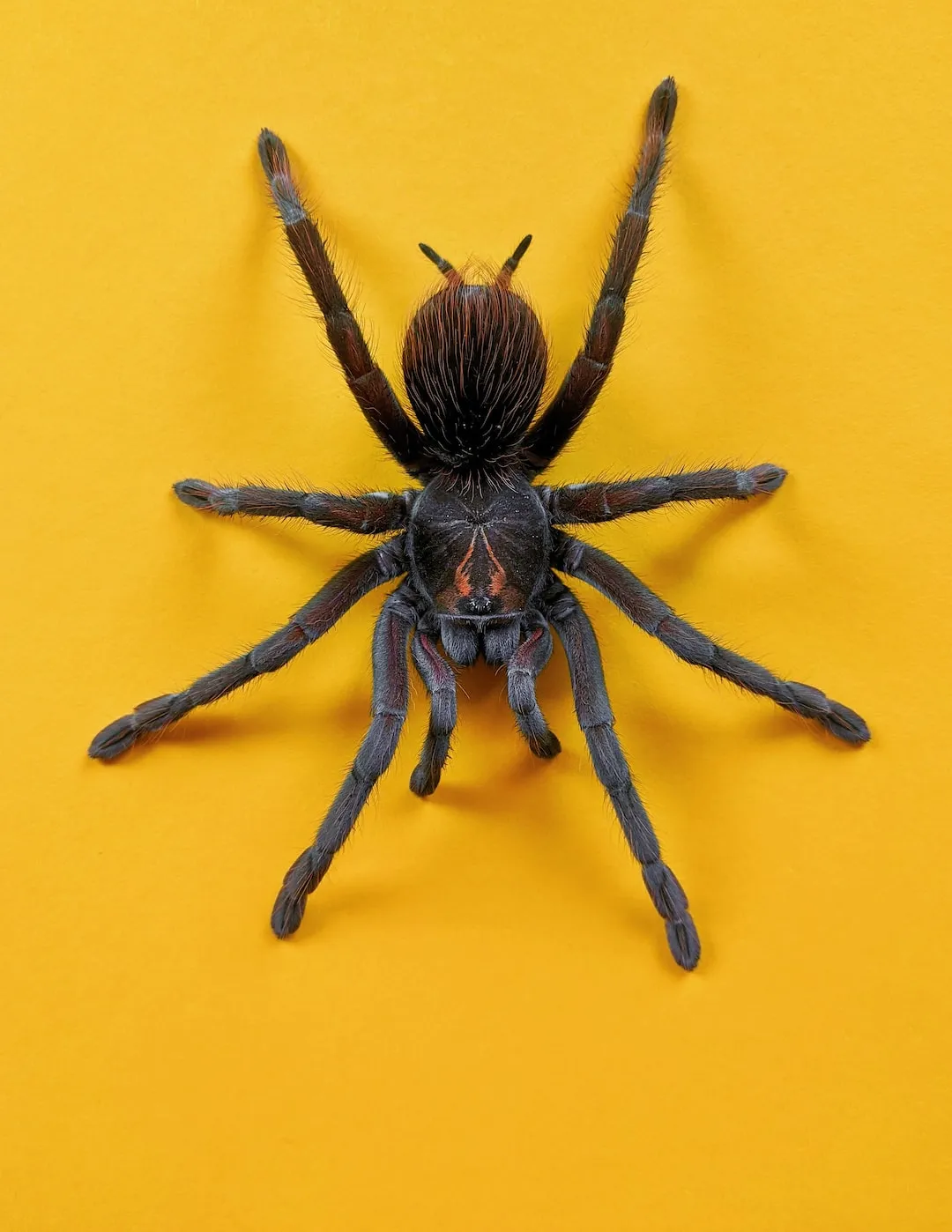
One popular non-venomous spider species kept as pets is the Chilean rose hair tarantula (Grammostola rosea). Known for their docile nature, these tarantulas are often recommended for beginners. They have hair-covered bodies, making them appear furry and less intimidating than other species. Other popular non-venomous pet spider species include the Mexican redknee tarantula (Brachypelma smithi) and the Brazilian black tarantula (Grammostola pulchra).
Spider Safety Precautions
Whether considering a venomous or non-venomous spider as a pet, it is crucial to take certain precautions to ensure the safety of both the spider and the keeper. Here are some important guidelines to follow:
- Research: Thoroughly research the species you intend to keep and ensure you have a clear understanding of their specific care requirements.
- Enclosure Setup: Provide an appropriate enclosure with appropriate ventilation, humidity levels, and hiding spaces.
- Handling Guidelines: Understand the handling guidelines, if any, for the specific species. Some spiders should not be handled at all, while others may tolerate gentle handling.
- Physical Safety: Use appropriate tools and techniques when interacting with your spider to minimize the risk of bites or injuries.
- Medical Assistance: Be aware of the nearest medical facilities and emergency contact numbers in case of accidental bites or other incidents.
In conclusion, keeping spiders as pets can be an exciting and rewarding experience. However, it is essential to prioritize safety, especially when considering venomous spider species. By understanding the characteristics and care requirements of different spiders, enthusiasts can navigate the world of pet spiders responsibly and enjoy their fascinating behaviors from a safe distance.
Creating the Perfect Spider Habitat at Home
Spiders, with their intricate webs and unique hunting behaviors, can make fascinating pets. While some people may be hesitant to keep spiders as pets due to their reputation as creepy crawlers, they can actually be low-maintenance and entertaining companions. Creating the perfect spider habitat at home is essential to ensure the well-being and happiness of these eight-legged creatures. Here are some important considerations when setting up a spider-friendly environment.
Choosing the Right Spider Species
Before creating a spider habitat, it’s crucial to decide on the species of spider you want to keep. Not all spiders make suitable pets, as some require specific environmental conditions and diets that can be challenging to replicate in captivity. Tarantulas are popular choices for spider enthusiasts as they are generally hardy, have long lifespans, and are relatively low-maintenance.
Enclosure Selection
Selecting an appropriate enclosure is vital to create a safe and secure habitat for your pet spider. The size of the enclosure will depend on the species you choose, as larger spiders will need more space to move around. A glass terrarium or plastic container with a ventilated lid is a good choice, as it allows for easy observation and prevents escape. Ensure that the enclosure has enough ventilation to maintain proper airflow.
Substrate and Décor
Choosing the right substrate is crucial for maintaining a clean and hygienic spider habitat. Avoid substrates that may pose a risk to your spider, such as those with sharp edges or toxic materials. Coconut coir, vermiculite, or peat moss can be used as suitable substrates, providing a moist environment for your pet spider.
Adding décor elements to the enclosure not only creates an aesthetically pleasing environment but also provides hiding places and climbing opportunities for your spider. Branches, cork bark, and artificial plants can be utilized to simulate a natural habitat.
Temperature and Humidity Regulation
Maintaining the appropriate temperature and humidity levels is essential for the health and well-being of your pet spider. Research the specific requirements of the spider species you choose, as different species have different temperature and humidity preferences. Using a thermometer and hygrometer in the enclosure will help you monitor and regulate these conditions effectively.
To achieve the required humidity levels, mist the enclosure with water daily or use a moisture-retaining substrate. Heat sources like heat mats or heat lamps may be necessary to create the optimal temperature range for your pet spider.
Feeding and Handling
Feeding your spider a proper diet is crucial for its growth and survival. Most spiders are carnivorous and feed on insects such as crickets, flies, and cockroaches. It’s important to provide prey that is appropriate in size and type for your spider.
When handling your spider, always prioritize safety and handle them with caution. It’s recommended to avoid handling venomous species to prevent any potential risks or accidents. If you do choose to handle your spider, make sure to research proper handling techniques and be aware of any potential allergies or sensitivities.
By following these guidelines, you can create a suitable and comfortable habitat for your pet spider. Remember to do thorough research about the specific needs and characteristics of the species you plan to keep, and always prioritize the well-being of your eight-legged friend. With proper care, spiders can make fascinating and rewarding pets for any arachnid enthusiast.