
Scorpions, with their enigmatic allure and menacing stingers, have intrigued and frightened humans for centuries. While most species of scorpions are harmless, there is a group that possesses a deadly secret – their venom. In this captivating article, we delve deep into the world of deadly scorpions and explore the lethal potential of their venom.
Join us as we embark on a thrilling journey to discover the evolutionary origins of scorpion venom and its astounding potency. Learn about the most dangerous species of scorpions, such as the Deathstalker scorpion with its neurotoxin-rich venom or the Brazilian Yellow Scorpion, which poses a significant threat in South America. Discover how the venom of the Arizona Bark Scorpion, though rarely lethal to healthy adults, can be deadly for vulnerable individuals.
Uncover the fascinating medical potential of scorpion venom as researchers harness its unique properties in the development of new drugs. From promising cancer treatments to advancements in pain management, scorpion venom is proving to be a valuable resource in the world of medicine.
Delving into the impact of scorpion venom on humans, we explore the terrifying symptoms that can arise from a scorpion sting, from intense pain and swelling to even cardiac arrest in severe cases. Gain insights into the lifesaving treatment of antivenom and the importance of prevention in mitigating the risk of encountering these deadly arachnids.
Prepare to be captivated by the intriguing world of deadly scorpions and their lethal venom. Whether you have a curious mind or a profound fear of these creatures, this article will offer valuable knowledge and a deeper understanding of these enigmatic arachnids. Brace yourself for a breathtaking exploration as we unravel the mysteries behind deadly scorpions and their venomous ways.

Deadly Scorpions: A Closer Look at Their Lethal Venom
Scorpions are fascinating creatures that have populated the Earth for millions of years. These arachnids are found in various parts of the world, and while most species are harmless to humans, some are known for their deadly venom. In this article, we will explore the intriguing world of deadly scorpions and take a closer look at the lethal venom they possess.
The Evolution of Venomous Scorpions
Scorpions have evolved over time to become highly efficient predators. Their venom plays a crucial role in capturing and paralyzing their prey, as well as defending themselves against potential threats. The venom is a complex mixture of proteins and peptides that are injected into their victims through a stinger located at the end of their segmented tail.
The Potency of Scorpion Venom
Deadly scorpion venom is incredibly potent and can cause severe symptoms in humans if bitten. The venom acts on the nervous system, disrupting the transmission of signals between nerve cells, leading to paralysis and, in severe cases, even death. The potency of the venom varies between scorpion species, with some possessing venom that is more dangerous than others.
The Most Dangerous Scorpion Species
Several scorpion species are particularly notorious for their deadly venom. Let’s take a closer look at some of the most dangerous scorpions in the world:
1. Deathstalker Scorpion (Leiurus quinquestriatus)
The Deathstalker scorpion, native to North Africa and the Middle East, is one of the most venomous scorpion species on the planet. Its venom contains a potent cocktail of neurotoxins that can cause intense pain, muscle spasms, and potentially life-threatening symptoms in humans.
2. Brazilian Yellow Scorpion (Tityus serrulatus)
Found in Brazil, this species is responsible for numerous scorpion-related deaths in South America. Its venom contains potent neurotoxins that can cause cardiovascular and respiratory complications, leading to fatal outcomes if not treated promptly.
3. Arizona Bark Scorpion (Centruroides sculpturatus)
The Arizona Bark Scorpion, found in the southwestern United States, is the most venomous scorpion in North America. While its venom is not typically lethal to healthy adults, it can cause excruciating pain, numbness, and muscle convulsions. In infants, the elderly, or those with compromised immune systems, it can be deadly.
Medical Potential of Scorpion Venom
Despite its deadly nature, scorpion venom has also shown promise in medical applications. Researchers are studying the venom’s potential use in creating new drugs to treat various conditions, including cancer, autoimmune diseases, and pain management. The toxins within scorpion venom have unique properties that make them valuable resources for pharmaceutical research.
In conclusion, while most scorpions are not a threat to humans, there are several species that possess deadly venom capable of causing severe symptoms and even death. Understanding the potency and medical potential of scorpion venom can help researchers develop better treatments and potentially save lives in the future.
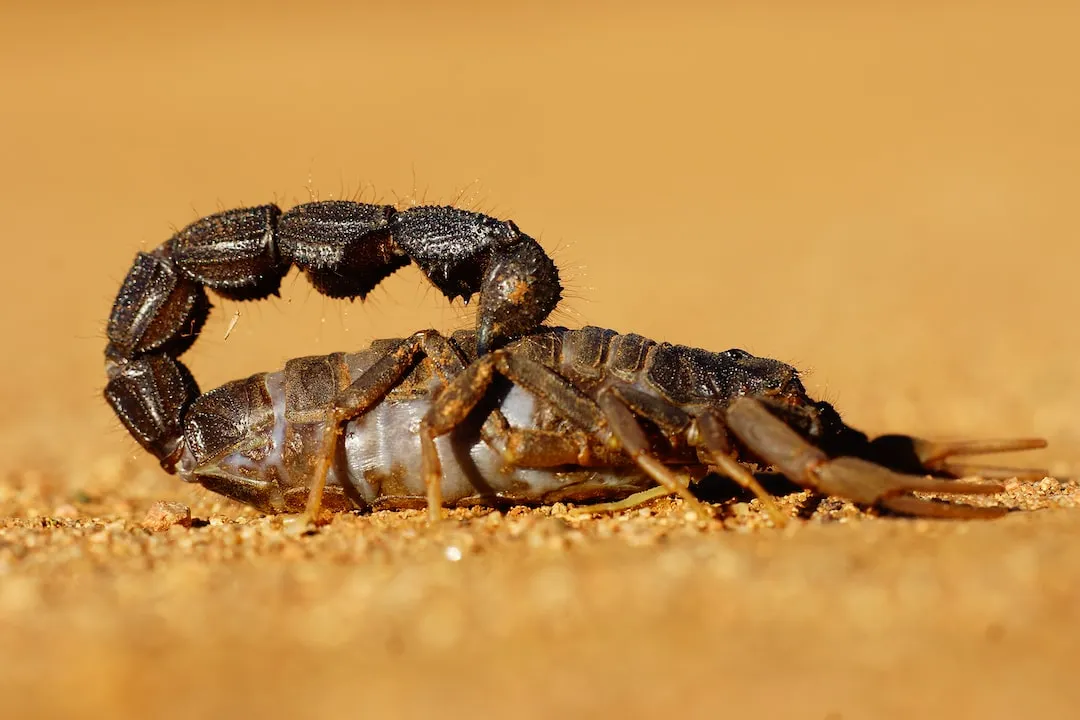
The Potent Venom of Deadly Scorpions and Its Impact on Humans
Scorpions, with their menacing appearance and venomous stings, have captivated the human imagination for centuries. Among the various species of scorpions found around the world, some are notorious for their deadly venom. These deadly scorpions possess specialized venom that can cause severe reactions in humans, often leading to life-threatening situations.
The Toxic Arsenal of Deadly Scorpions
Deadly scorpions have evolved to produce venom that is highly potent and efficient in subduing their prey. The venom of these scorpions is composed of a complex mixture of proteins and peptides, each with specific functions that aid in their hunting and defense mechanisms.
One of the primary components in scorpion venom is neurotoxins. These neurotoxins are designed to disrupt the normal functioning of the victim’s nervous system, leading to paralysis or even death. The venom also contains enzymes that help break down the victim’s tissues, facilitating the digestion process for the scorpion.
The Impact on Humans
When a deadly scorpion stings a human, the venom is injected directly into the bloodstream. The immediate reaction to a scorpion sting varies depending on the species and the individual’s sensitivity to the venom. However, common symptoms include intense pain, swelling, redness, and numbness around the sting site.
In some cases, the venom can have more severe effects on humans, especially if they are young, elderly, or have compromised immune systems. The neurotoxins present in the venom can cause muscle spasms, difficulty in breathing, and potentially lead to cardiac arrest. Prompt medical attention is crucial to counteract the effects of scorpion venom and prevent further complications.
Antivenom - The Lifesaving Solution
For those unfortunate enough to be stung by a deadly scorpion, antivenom is the most effective treatment. Antivenom is created by injecting small amounts of scorpion venom into animals, such as horses or sheep, which triggers an immune response. The animal then produces antibodies that can neutralize the venom’s harmful effects.
Once the antibodies are harvested from the animal, they are purified and can be administered to humans who have been stung by a deadly scorpion. These antibodies bind to the venom molecules, rendering them harmless and preventing further damage to the victim’s body.
The Importance of Prevention
While antivenom is an effective treatment for scorpion stings, prevention is still the best strategy. Understanding the habitats and behaviors of deadly scorpions can help people avoid dangerous encounters. It is advisable to wear protective clothing, such as gloves and boots, when exploring areas known to be inhabited by scorpions.
Additionally, keeping homes and environments clean and free from clutter can help minimize the chances of encountering scorpions. Sealing cracks and crevices and using pesticide treatments can further reduce the likelihood of scorpion infestations.
In conclusion, deadly scorpions possess venom that is highly potent and can have severe consequences for humans. Understanding the dangers and taking preventative measures can significantly reduce the risk of encountering these venomous creatures. If a sting does occur, seeking immediate medical attention and the administration of antivenom remain crucial for a successful recovery.