Are you curious about Emperor Scorpions and what sets them apart from other scorpion species? If so, you’re in the right place! In this article, we will delve into the fascinating world of Emperor Scorpions, exploring their physical characteristics, habitat, and unique behaviors. Whether you’re an insect enthusiast, a nature lover, or simply someone seeking to expand your knowledge, this article will provide you with a deeper understanding of these captivating creatures.
Emperor Scorpions, scientifically known as Pandinus imperator, are renowned for their large size and distinctive appearance. With their glossy black exoskeletons and powerful pincers, they truly stand out among their scorpion counterparts. But what makes these scorpions even more intriguing is their behavior. Contrary to popular belief, Emperor Scorpions have been observed exhibiting social behavior, huddling together and demonstrating a sense of community.
Delving further into their lifestyle, we will also explore their diet and hunting techniques. Despite their venomous stinger, Emperor Scorpions primarily prey on insects, spiders, and other small arthropods. Their astonishing sensory abilities, particularly the use of sensitive hairs on their legs, allow them to detect vibrations and locate their potential meals.
Additionally, we will uncover the mysteries surrounding Emperor Scorpions’ ability to fluoresce under ultraviolet light. This spectacular phenomenon, showcasing a mesmerizing blue-green glow, is thought to serve a purpose in communication and mate selection.
Lastly, we will unveil the intricate courtship dance, an unforgettable spectacle that Emperor Scorpions engage in as part of their mating ritual. Their courtship procession, involving circular motions and swaying, is a testament to the fascinating complexities of the insect world.
So, if you’re ready to embark on a journey into the intriguing world of Emperor Scorpions and discover what makes them so captivating, let’s dive in and unlock the secrets of these remarkable arachnids.
Emperor Scorpions vs. Other Scorpions: Examining the Differences
Scorpions are fascinating creatures that can be found in various parts of the world. With their unique appearance and venomous sting, they have long captivated our interest. Among the different types of scorpions, the Emperor Scorpion stands out as one of the most intriguing species. In this section, we will explore the differences between Emperor Scorpions and other scorpions to gain a better understanding of what sets them apart.
Physical Characteristics
Emperor Scorpions (Pandinus imperator) are known for their large size. On average, they measure between 6 to 8 inches in length, making them one of the largest scorpions in the world. They have a glossy black exoskeleton, which helps them blend into their natural habitat. Another distinctive feature of Emperor Scorpions is their powerful pincers, used both for defense and capturing prey.
In comparison, other scorpion species may vary in size and color. For example, the Bark Scorpion (Centruroides spp.) is much smaller, averaging around 2 to 3 inches in length. It has a light brown or yellowish coloration, which allows it to camouflage effectively in its surroundings. Each scorpion species has its own unique physical traits, but none quite match the imposing appearance of the Emperor Scorpion.
Habitat and Distribution
Emperor Scorpions are native to the rainforests and savannas of West Africa, specifically countries like Ghana, Sierra Leone, and Nigeria. They prefer to dwell in burrows to escape extreme temperatures and maintain high humidity levels. Due to their popularity in the pet trade, Emperor Scorpions can also be found in other parts of the world, such as North America and Europe.
On the other hand, various scorpion species have adapted to different habitats around the globe. For instance, the Arizona Bark Scorpion (Centruroides sculpturatus) is found in the desert regions of the southwestern United States and Mexico. Unlike Emperor Scorpions, these arachnids thrive in hot, arid environments. The ability of scorpions to adapt to diverse ecological conditions is truly remarkable.
Venom and Sting
While all scorpions possess venom, the potency and effects of their stings can differ significantly. Emperor Scorpions possess a relatively mild venom, which is not considered dangerous to humans in most cases. Their sting is comparable to that of a bee sting, causing temporary pain and localized swelling. However, individuals with allergies or compromised immune systems should still exercise caution.
Conversely, some scorpion species carry venom that can be highly venomous and potentially lethal. The Deathstalker Scorpion (Leiurus quinquestriatus), for example, possesses a potent neurotoxic venom that can be fatal to humans if medical treatment is not sought promptly. It is crucial to understand the specific risks associated with different scorpion species and take appropriate precautions when encountering them.
In conclusion, Emperor Scorpions possess distinct characteristics that distinguish them from other scorpion species. Their large size, glossy black exoskeleton, and mild venom make them a fascinating and popular choice among scorpion enthusiasts. By understanding these differences, we can appreciate the unique qualities of each scorpion species and foster a greater respect for these intriguing arachnids.
Unraveling the Mystery: Emperor Scorpions and Their Fascinating Habits
Scorpions have long captivated the imaginations of both scientists and nature enthusiasts alike. Amongst the impressive array of scorpion species, the Emperor Scorpion (Pandinus imperator) stands out for its size and captivating behavior. This remarkable arachnid, native to the rainforests of West Africa, has earned a reputation as one of the most intriguing and captivating creatures in the insect world.
A Majestic Appearance
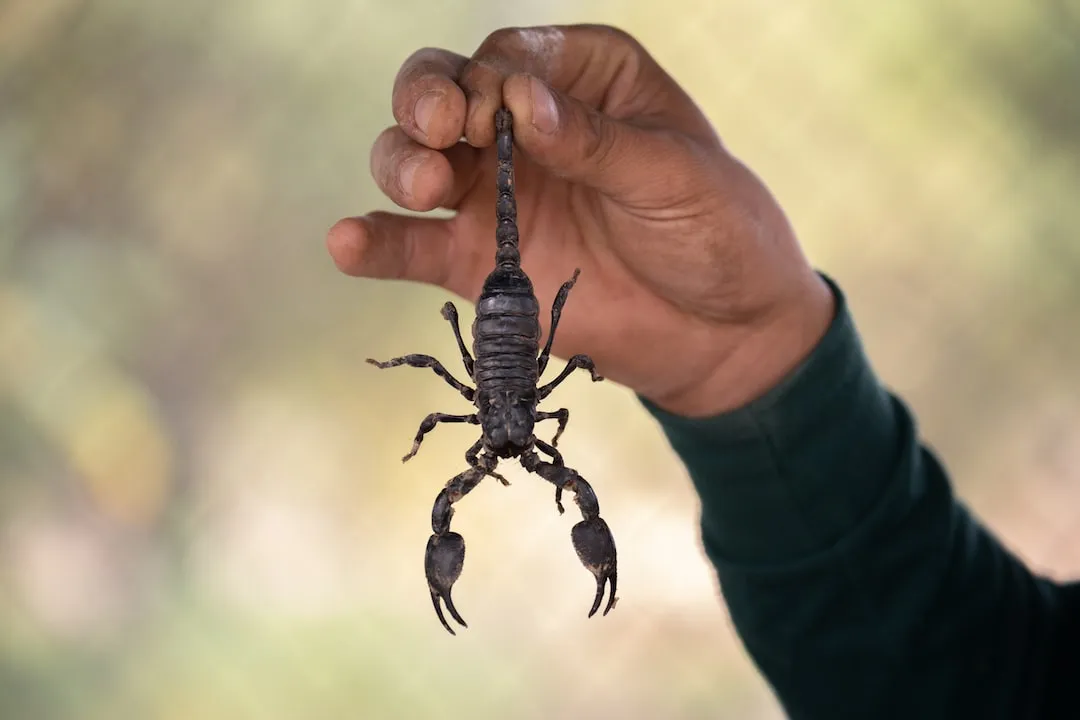
The Emperor Scorpion is truly a spectacle to behold. With its glossy black exoskeleton and a length that can reach up to 8 inches (20 cm), it is one of the largest scorpions in the world. The nocturnal creature has two large pincers in front, followed by eight jointed legs, and the characteristic arched stinger extending from its tail. Its striking appearance has made it a favorite among collectors and enthusiasts, though it is important to note that due to the concern for the scorpion’s well-being, it is often best enjoyed in its natural habitat or under the care of professionals.
A Social Scorpion?
Contrary to the popular belief that scorpions are solitary creatures, Emperor Scorpions have been observed exhibiting surprisingly social behavior. Though they do not form traditional colonies, they are known to engage in communal activities such as huddling together during the day. This behavior helps them conserve energy and maintain favorable body temperature and humidity levels, as well as providing protection against predators.
A Not-So-Deadly Diet
Emperor Scorpions are carnivorous predators, but their diet primarily consists of insects, spiders, and other small arthropods. While their venomous stinger is used to immobilize prey, their primary means of hunting is through their impressive sensory abilities. Emperor Scorpions possess extremely sensitive hairs on their legs, known as pectines, which enable them to detect vibrations caused by the movement of potential prey. Once located, they use their powerful pincers to capture and immobilize their target.
A Glow in the Dark
One of the most fascinating aspects of Emperor Scorpions is their ability to fluoresce under ultraviolet light. When exposed to blacklight, their exoskeleton emits a vibrant blue-green glow, a phenomenon that has captivated scientists and enthusiasts alike. The exact purpose of this fluorescence is still not fully understood, but it is thought to play a role in mate selection and communication.
A Delicate Courtship Dance
Emperor Scorpions engage in an intricate courtship dance as part of their mating ritual. The male scorpion initiates the dance by grasping the female’s pincers and then leading her in a courtship procession. The intricate movements involve circular motions and swaying, often lasting for several hours. Once the courtship dance is complete, the male deposits a packet of sperm, called a spermatophore, which the female retrieves using specialized structures known as genital opercula.
In conclusion, Emperor Scorpions are truly unique creatures that continue to fascinate scientists and nature enthusiasts with their impressive size, intriguing social behavior, specialized hunting techniques, fluorescence, and intricate courtship rituals. By unraveling the mysteries surrounding these enigmatic creatures, we can gain a greater appreciation for the complex and captivating world of insects and arachnids.