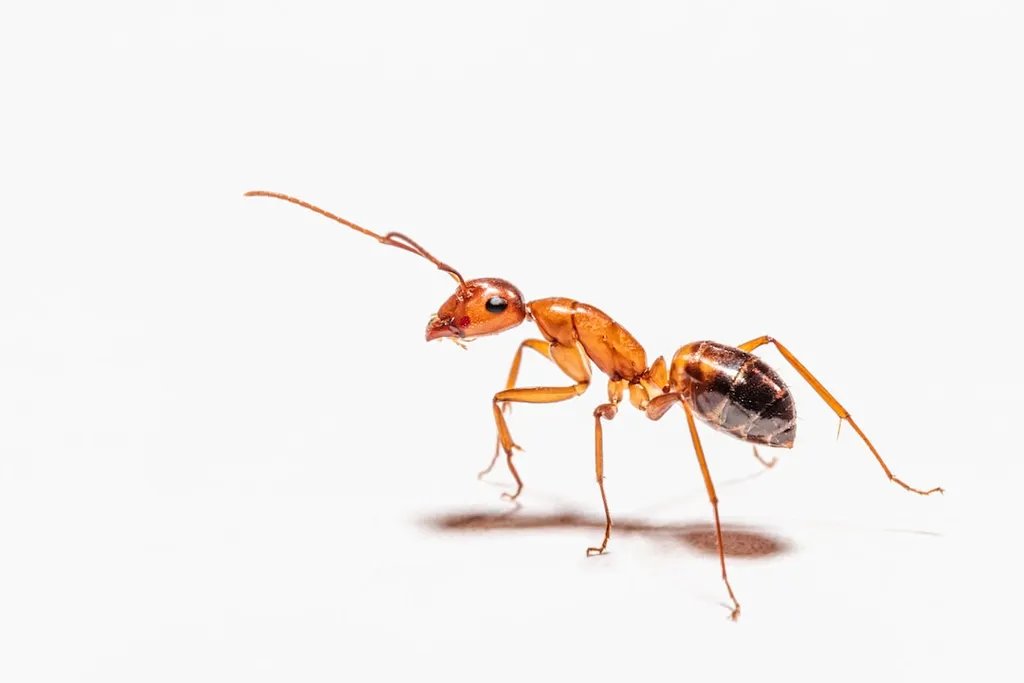
Are you curious about the intriguing world of insects? If so, prepare to be fascinated by the wonders of flying ants. Often mistaken for regular ants, these winged insects possess unique characteristics that set them apart from their ground-dwelling counterparts. In this article, we will delve into the differences between flying ants and regular ants, exploring their development, reproductive roles, and distinct physiology. We will also uncover the ecological importance of flying ants and their impact on the environment. Furthermore, we will take a closer look at the anatomy of flying ants, highlighting their physical appearance, size, and fascinating life cycle. You’ll learn how they navigate their surroundings, the defense mechanisms they employ, and their vital role in the reproduction and survival of ant colonies. Whether you’re an insect enthusiast or simply curious about the diverse world of nature, this article will provide you with a deeper understanding and appreciation for the captivating world of flying ants. Get ready to embark on a journey into the extraordinary lives of these tiny creatures!
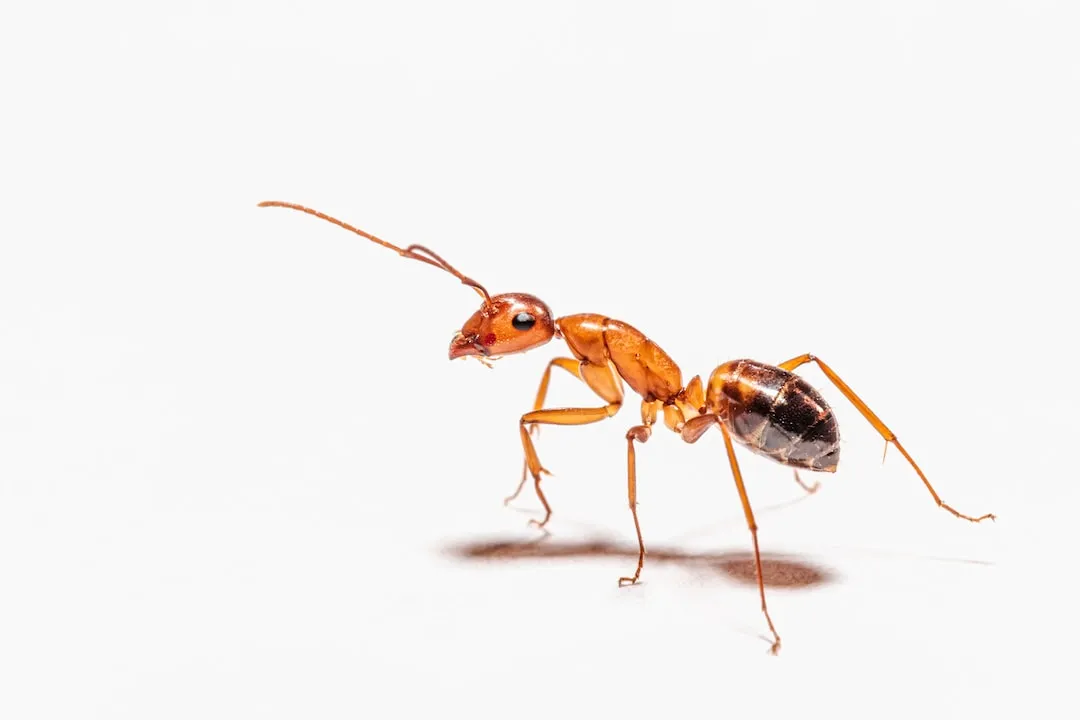
How Flying Ants Differ from Regular Ants
Intriguing Insect Variations
At first glance, flying ants may look similar to regular ants. They share many similarities in appearance and behavior, making it easy to mistake them for their ground-dwelling relatives. However, there are several distinct differences that set flying ants apart from regular ants. In this section, we will explore these variations and shed light on the fascinating world of flying ants.
Developmental Differences
One of the key differences between flying ants and regular ants lies in their life cycle and development. Regular ants, also known as worker ants, are sterile females. They dedicate their lives to supporting the colony by gathering food, building nests, and taking care of the young. On the other hand, flying ants are reproductive ants, with males and females capable of reproduction.
Reproductive Roles
Flying ants play a crucial role in the process of mating and colony establishment. Once the conditions are favorable, winged males and females leave the nest in a synchronized flight, commonly known as the “nuptial flight.” During this flight, mating occurs between males and females from different colonies, promoting genetic diversity.
After mating, the male ants typically die, and the females shed their wings, initiating the next stage of their lives as queens. The newly crowned queen ants search for a suitable nesting site to establish a colony. In contrast, regular ants live their entire lives as workers, supporting and maintaining the existing colony.
Physiological Differences
Flying ants also have some physiological variations compared to regular ants. One notable difference is the presence of wings. During their nuptial flight, flying ants develop fully functional wings that allow them to take to the skies. In contrast, regular ants do not possess wings, as they are not involved in the reproductive process.
The wings of flying ants are robust and veined, enabling them to fly longer distances in search of a partner or a suitable nesting site. Once they have mated and found a suitable location, the wings become a hindrance. The queen ants will intentionally shed their wings, as they are no longer necessary for their new role as colony founders.
Ecological Importance
Flying ants have a significant ecological impact. During their nuptial flight, they serve as prey for various birds, bats, and other insectivorous animals, making them an important part of the food chain. Additionally, their dispersal behavior contributes to the distribution and colonization of different habitats, ensuring genetic diversity within ant populations.
Furthermore, flying ants play a beneficial role in soil aeration. As they dig tunnels and establish new colonies, they contribute to the natural process of soil turnover, which helps improve soil structure and nutrient availability, benefiting plant growth in the ecosystem.
In conclusion, flying ants have distinct characteristics that differentiate them from regular ants. Their reproductive roles, developmental differences, and unique physiological attributes set them apart. Despite their similarities in appearance and behavior, understanding these differences aids in appreciating the diverse and fascinating world of insects, where even a seemingly common species like ants can hold surprising secrets.

The Characteristics and Anatomy of Flying Ants
Flying ants, also known as alates, are reproductive ants that have developed wings for the purpose of mating and establishing new colonies. These winged insects belong to the same species as their wingless counterparts, commonly known as worker ants. However, they possess distinct characteristics and anatomy that sets them apart.
Physical Appearance and Size
Flying ants are typically larger than their worker ant counterparts. They have a well-defined body structure with three distinct body segments: the head, thorax, and abdomen. The head houses the ants’ sensory organs, such as their compound eyes and antennae, which are vital for navigation and communication.
One key characteristic of flying ants is their wings. These wings enable them to take flight and travel long distances in search of a mate and suitable locations for new colonies. The front pair of wings is typically longer than the hind pair, and they are clear or lightly veined. This feature distinguishes them from termites, which have two pairs of equally sized, opaque wings.
Life Cycle
Flying ants play a crucial role in the reproductive cycle of ant colonies. They emerge from existing colonies during the reproductive phase, often in large swarms. This synchronized emergence, known as the nuptial flight, allows for increased chances of successful mating.
After mating, the male flying ants die, while the fertilized females, known as queens, shed their wings and search for a suitable site to establish a new colony. Once found, the queens burrow into the ground, where they lay eggs and begin the process of building a new ant colony.
Navigation and Orientation
Flying ants rely on various sensory cues to navigate their surroundings. Their compound eyes provide them with a wide field of vision, allowing them to detect obstacles and recognize landmarks. Additionally, they use polarized light and the position of the sun as orientation aids.
Antennae, equipped with specialized sensory receptors, help flying ants detect chemical cues that guide them towards potential mates and suitable nesting sites. By picking up pheromones released by the opposite sex, they are able to locate and join other flying ants for mating.
Defense Mechanisms
Flying ants possess an array of defense mechanisms to protect themselves from predators. These include their ability to emit noxious chemicals such as formic acid, acting as a deterrent to potential threats. The formic acid can cause irritation and burns on the skin of predators or attackers.
Additionally, flying ants can often mimic other unpalatable or venomous insects to confuse or deter predators. This form of mimicry, known as Batesian mimicry, provides a higher chance of survival for these vulnerable insects.
In conclusion, flying ants exhibit unique characteristics and anatomy that separate them from their worker ant counterparts. Their ability to fly, navigate, and reproduce plays a significant role in the survival and propagation of ant colonies. Understanding these aspects of flying ants is vital in appreciating the complex and fascinating world of insects.