
Ants are fascinating creatures, but when they invade our homes, they can quickly become a nuisance. If you’re dealing with an ant infestation and want to find a safe and effective way to get rid of them, then this article is for you. In this comprehensive guide, we will explore the world of homemade ant killers and answer some of the most frequently asked questions surrounding this topic.
Have you ever wondered if homemade ant killers are effective? Or maybe you’re curious about the advantages of using homemade remedies over commercial products? We will address these questions and more, providing you with the information you need to make informed decisions.
We will also take you through a step-by-step guide on how to create your own ant killer using common household ingredients. Whether you choose to make a borax and sugar mixture or a vinegar and water solution, we’ll provide you with all the details you need to know to get started.
Additionally, we will discuss the potential risks and safety precautions associated with homemade ant killers, ensuring that you have all the necessary knowledge to protect your loved ones and pets.
By the time you finish reading this article, you’ll have a comprehensive understanding of homemade ant killers and be equipped with the knowledge to effectively address ant infestations in a safe and cost-effective manner. So, let’s dive in and discover how you can say goodbye to those pesky ants once and for all!
Frequently Asked Questions About Homemade Ant Killers
What are homemade ant killers?
Homemade ant killers are do-it-yourself solutions that are commonly used to get rid of ant infestations in and around the house. These remedies are often made from ingredients that are readily available in most households, such as vinegar, baking soda, lemon juice, and essential oils.
Are homemade ant killers effective?
The effectiveness of homemade ant killers can vary depending on the type of ant species and the severity of the infestation. While some homemade remedies may work well for minor ant problems, they may not be as effective for larger infestations. It is important to understand that homemade ant killers may not provide a long-term solution and may offer only temporary relief.
Why should I use homemade ant killers instead of commercial products?
There are several reasons why some people prefer using homemade ant killers over commercial products. Firstly, homemade remedies are often more cost-effective compared to purchasing commercial ant killers. Additionally, homemade solutions typically contain fewer chemicals, making them a safer option, especially for homes with children or pets. Moreover, homemade ant killers can be made with simple and natural ingredients, which may appeal to individuals who prefer eco-friendly solutions.
Can homemade ant killers be harmful to pets or humans?
While homemade ant killers are generally considered safer than commercial products, it is still important to take precautions when using these remedies. Some ingredients, such as essential oils, can be toxic to pets if ingested in large quantities. It is essential to keep homemade ant killers out of reach of children and pets. If you have concerns about the safety of certain ingredients, it is always best to consult with a professional exterminator or veterinarian.
How do I make a homemade ant killer?
There are numerous recipes available for homemade ant killers, each claiming to be effective. One popular recipe involves mixing equal parts water and white vinegar in a spray bottle. This solution can be sprayed directly onto ants or around areas where they are commonly found. Another common homemade ant killer involves combining baking soda and powdered sugar, which is then placed in strategic locations to attract ants. It is important to remember that while these homemade solutions may be effective for some ant species, they may not work for others.
Are there any disadvantages to using homemade ant killers?
While homemade ant killers may offer temporary relief from ant infestations, there are a few drawbacks to consider. Homemade remedies may not be as potent or long-lasting as commercial products, which could result in the need for repeated treatments. Additionally, homemade ant killers may not be as effective for eradicating specific ant species or addressing larger infestations. In these cases, it may be necessary to seek professional pest control services to ensure complete eradication.
In conclusion, homemade ant killers can be a viable option for addressing minor ant problems in a cost-effective and eco-friendly manner. However, it is important to consider the limitations of homemade remedies and to evaluate the severity and type of ant infestation before deciding on the most appropriate course of action. If in doubt, it is always recommended to consult with a professional pest control expert for guidance and assistance.
Step-by-Step Guide to Making Your Own Ant Killer at Home
Ants are tiny creatures that can quickly become a nuisance when they invade your home. If you’re tired of seeing these pests crawling around and want to get rid of them without using chemicals, making your own ant killer at home is a safe and effective option. Not only does it save you money, but it also ensures the safety of your family and pets. In this guide, we will walk you through the step-by-step process of creating your ant killer using simple and natural ingredients.
Understanding Ant Behavior
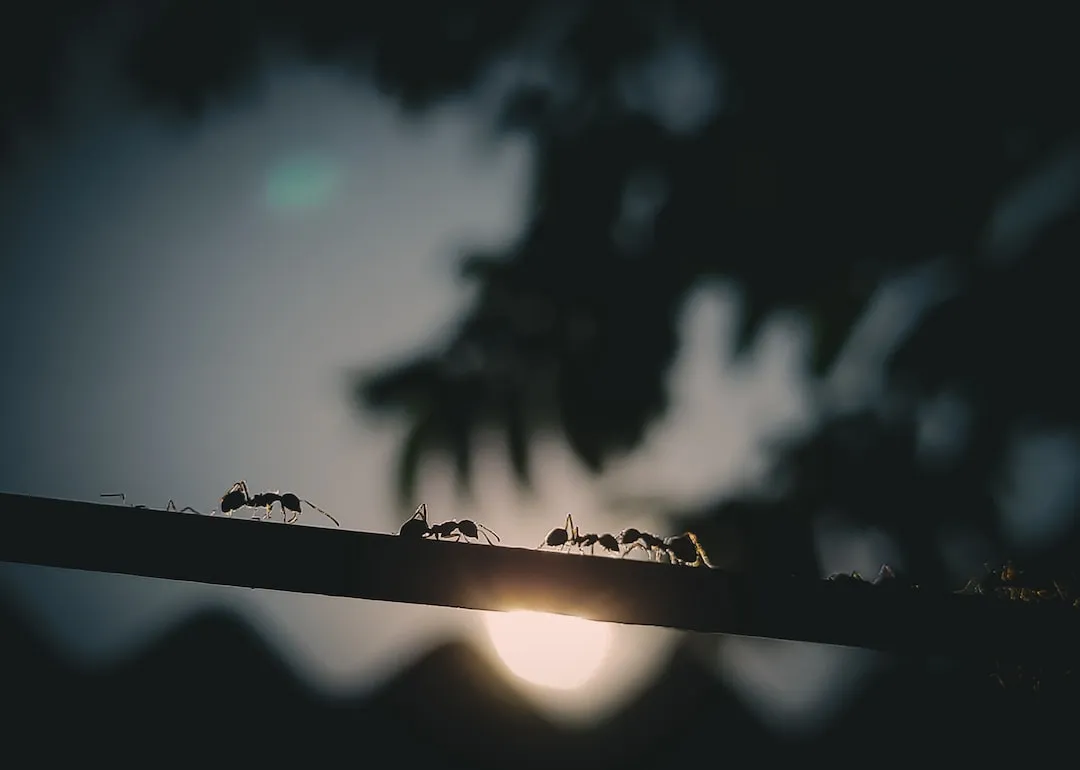
Before we dive into creating the ant killer, it’s important to understand how ants behave. Ants leave trails using pheromones to guide their fellow ants to food sources. Breaking this trail is crucial to creating an effective ant killer. Without interrupting this trail, the ants will continue to return to the same area.
Homemade Borax Ant Killer
To create a homemade ant killer using borax, you will need the following ingredients:
- Borax
- Sugar
- Warm water
- Cotton balls or small containers
Now, let’s go through the step-by-step process:
-
Start by finding the areas in your home where ants are frequently seen. These can be entry points, such as windowsills, doorways, or cracks in the wall.
-
Mix equal parts of borax and sugar in a bowl. The sugar acts as bait, attracting the ants to the mixture, while the borax acts as the lethal ingredient. Borax is toxic to ants but generally safe for humans and pets when used in small quantities.
-
Add warm water to the mixture and stir until the sugar and borax are completely dissolved.
-
Soak cotton balls in the mixture or pour it into small containers like bottle caps.
-
Place the cotton balls or containers near the areas where you have observed ant activity. Be sure to keep them out of reach of children and pets.
-
Allow the ants to access the bait for a day or two. They will carry the mixture back to their colonies, effectively killing off the ants.
-
Clean up any spills or excess bait after a few days to ensure that no residue is left behind.
The homemade borax ant killer works by attracting the ants with the sugar while the borax disrupts their digestive system, eventually leading to their demise. It may take a few days for the entire ant colony to be eliminated, so patience is key.
Vinegar and Water Solution
Another effective homemade ant killer solution can be made using vinegar and water. This natural ingredient not only acts as a repellent but also helps destroy the pheromone trails left by ants. Here’s how to make it:
-
Mix equal parts of vinegar and water in a spray bottle.
-
Shake the bottle well to ensure the vinegar and water are thoroughly blended.
-
Locate areas where ants are entering your home and spray the solution directly on the ant trails, entry points, or areas with high ant activity.
-
Repeat this process daily until the ants are no longer present in your home.
The strong scent of vinegar disrupts the ant’s ability to communicate through pheromones, making it an effective deterrent. Additionally, vinegar is safe to use around children and pets.
In conclusion, creating your own ant killer at home is an affordable and safe alternative to commercial products. Whether using a borax and sugar mixture or a vinegar and water solution, taking steps to disrupt the ant trails and eliminate their food sources will help you combat ant infestations in a natural and eco-friendly way. Remember to exercise caution when using any homemade solution and monitor the effectiveness.