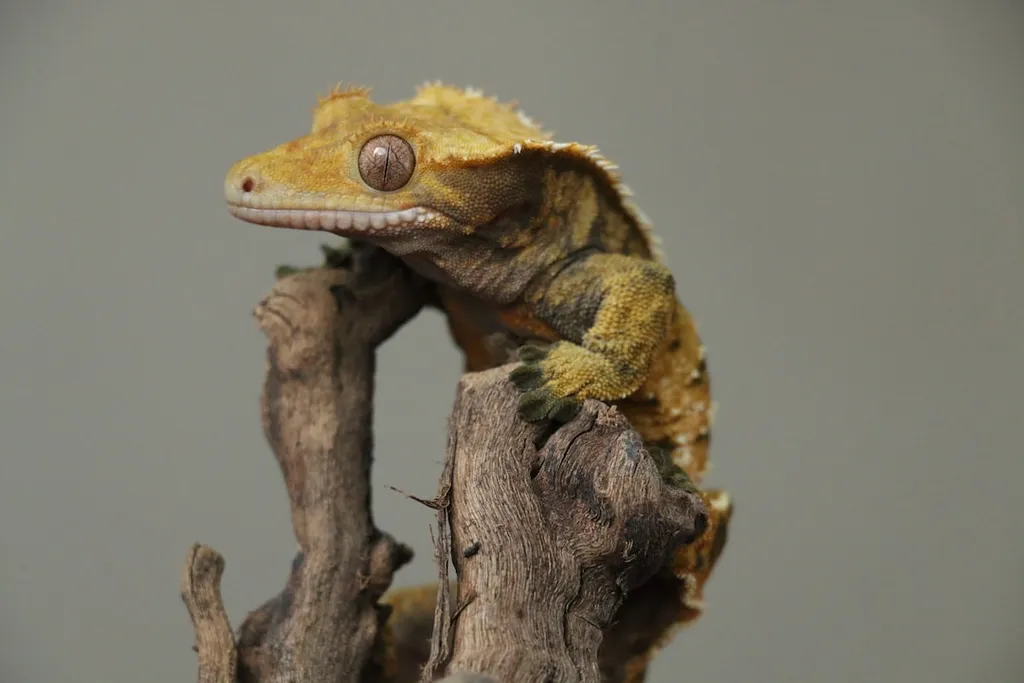
Are you curious about crested geckos and their unique characteristics? Are you considering getting one as a pet but want to ensure you provide the best habitat and care for them? Look no further! In this comprehensive guide, we will take you on a journey into the fascinating world of crested geckos.
From creating the perfect habitat to understanding their intriguing characteristics, this article covers it all. We will explore the essential elements needed to create an ideal habitat for your crested gecko, including temperature and humidity requirements, suitable enclosure options, and the importance of substrate and decor. You’ll learn how to provide the right lighting and feeding for your gecko’s optimal health and well-being.
But it doesn’t stop there! We’ll also delve into the unique characteristics that make crested geckos stand out from other reptiles. From their striking crests and fringed toes to their adorable eyelashes and ability to self-amputate their tails, crested geckos are truly remarkable creatures. We’ll even uncover their nocturnal behavior and vocal abilities, adding to their charm and fascination.
Whether you’re a beginner or an experienced reptile enthusiast, this article is packed with valuable information and tips to help you understand and care for your crested gecko. So, if you’re ready to embark on a journey into the world of these captivating reptiles, read on and discover all there is to know about creating the perfect habitat and understanding the unique characteristics of crested geckos!
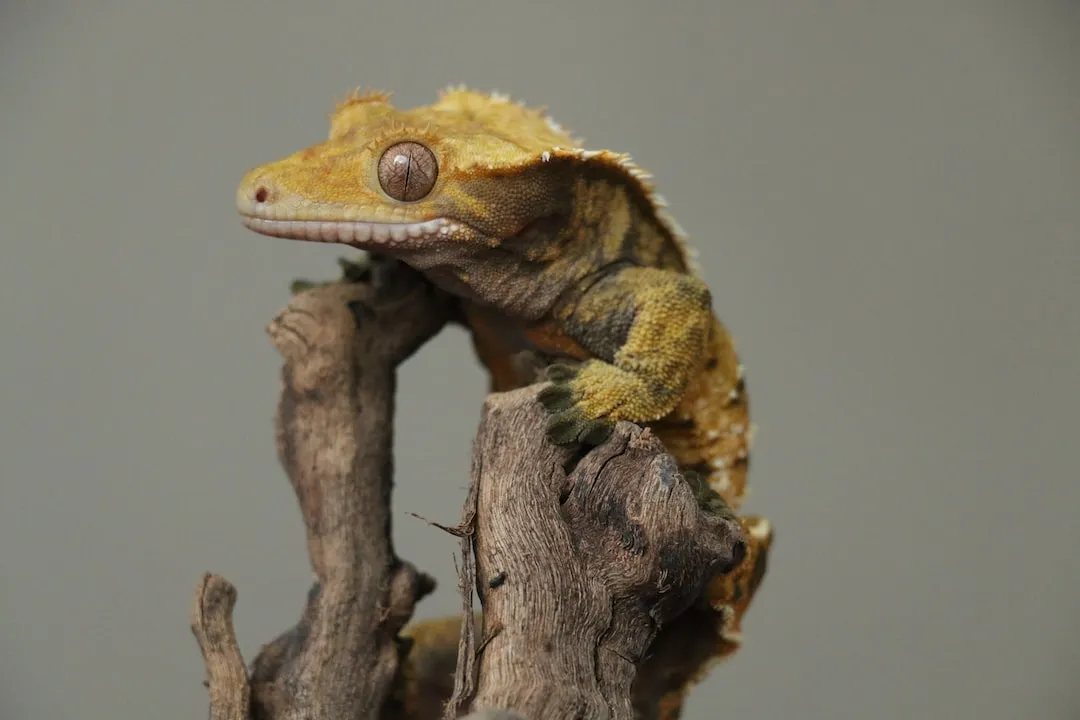
Creating the Perfect Habitat for Your Crested Gecko
Owning a crested gecko can be a rewarding experience, but providing the right habitat is crucial to ensure their health and well-being. These beautiful and unique reptiles are native to New Caledonia and thrive in a specific set of conditions that mimic their natural environment. In this article, we will explore the essential elements needed to create the perfect habitat for your crested gecko.
Choosing the Right Enclosure
The first step in creating a suitable habitat for your crested gecko is selecting the right enclosure. A terrarium or vivarium made of glass or plastic is recommended, as it provides a secure and controlled environment for your pet. Ensure that the enclosure is spacious enough for your crested gecko to move around comfortably, with enough vertical space for climbing. A minimum size for one adult gecko is 20 gallons, but larger is always better.
Temperature and Humidity
Crested geckos are primarily nocturnal and thrive in temperatures between 72-78°F (22-26°C) during the day and slightly cooler at night. It’s crucial to provide a temperature gradient within the enclosure, allowing your gecko to choose the right spot to regulate its body temperature. You can achieve this by placing a heat mat or heat lamp on one side of the terrarium, creating a warm area while leaving the other side cooler.
Humidity levels are also essential for the health of your crested gecko. Aim for a humidity range of 50-70%, which can be accomplished by misting the enclosure with water at least once or twice daily. Using a hygrometer will help you monitor and maintain the proper humidity levels in the habitat.
Substrate and Decor
When it comes to selecting substrate for your crested gecko’s enclosure, avoid using gravel or sand, as these can cause impaction if ingested. Opt for a substrate that retains moisture, such as coconut fiber, cypress mulch, or paper towels. This will help maintain the required humidity levels within the habitat.
Adding hiding spots and climbing structures is crucial for the overall well-being of your crested gecko. Provide vertical branches or vines for climbing and secure branches horizontally for resting and basking. Live or artificial plants can also be added to create a natural and visually appealing environment.
Lighting and Feeding
Crested geckos do not require direct exposure to UVB lighting, but providing a low-level UVB light source can be beneficial for their overall health. It helps with calcium metabolism and supports the synthesis of vitamin D3, promoting proper bone development.
As for feeding, crested geckos are primarily insectivores. However, their diet should consist mainly of a prepared powdered diet specifically formulated for crested geckos. This diet can be supplemented with small, gut-loaded insects such as crickets or roaches. Fresh fruit can also be offered occasionally as a treat.
Maintenance and Monitoring
Regular maintenance and monitoring are essential to ensure the ongoing health of your crested gecko. Clean the enclosure regularly, removing any uneaten food, feces, or shed skin. This will help prevent the growth of harmful bacteria and maintain a healthy environment for your pet. Regularly check the temperature, humidity, and lighting levels to ensure they are within the recommended range.
In conclusion, creating the perfect habitat for your crested gecko involves careful consideration of enclosure size, temperature, humidity, substrate, and decor. By providing these essential elements, you can ensure that your crested gecko thrives and remains healthy in its captive environment. Remember to conduct thorough research and consult with experts to ensure you are meeting all the specific needs of your crested gecko.
Understanding the Unique Characteristics of Crested Geckos
If you’re fascinated by reptiles, then the crested gecko is sure to capture your attention. These marvelous creatures have gained popularity as pets due to their remarkable features and charming personalities. In this article, we will delve into the unique characteristics that make crested geckos so captivating.
1. Striking Crests
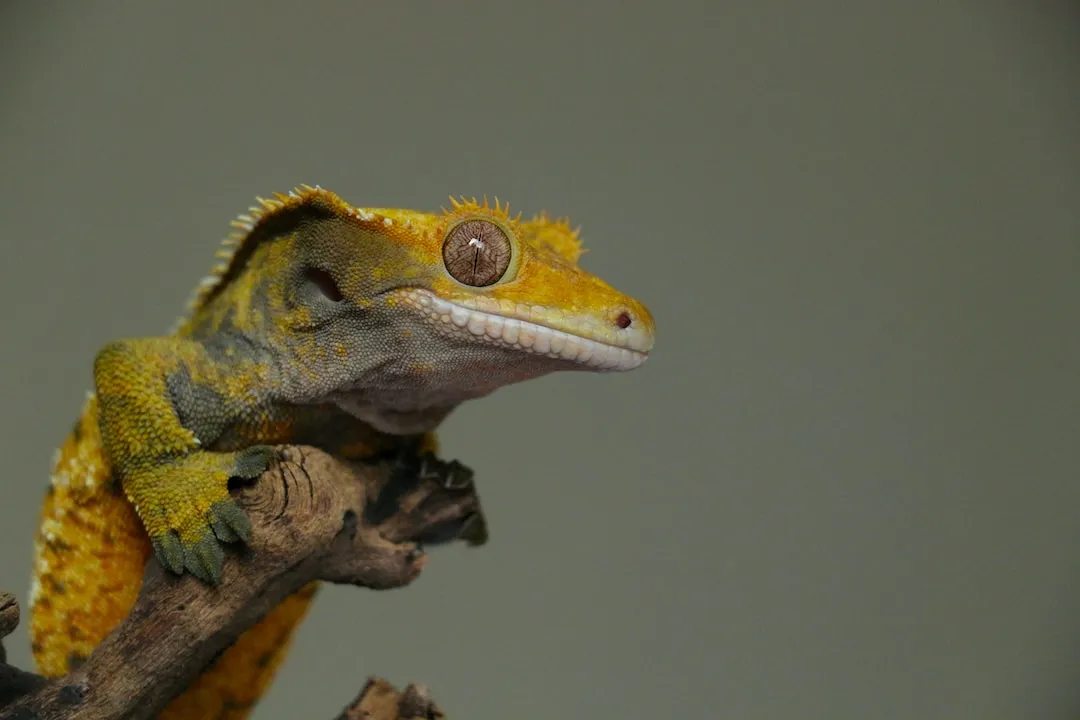
One of the most distinguishing features of crested geckos is their stunning crests. These eyelash-like projections can be found above their eyes and along the sides of their bodies. The crests serve multiple purposes – they aid in camouflage, regulate moisture, and help with climbing. The pattern and shape of the crests vary from gecko to gecko, adding to their individuality and appeal.
2. Fringed Toes
Crested geckos possess specialized toes known as fringed toes or lamellae. These fine, hair-like structures allow them to grip onto various surfaces and effortlessly navigate their arboreal habitat. The fringed toes are a remarkable adaptation that enables crested geckos to move with precision and agility, making them excellent climbers.
3. Eyelashes
Yes, that’s right – crested geckos have eyelashes! These unique reptiles are known for their adorable, long, and slender eyelashes. While their purpose is not entirely understood, it is believed that the eyelashes aid in protecting their delicate eyes. Moreover, the eyelashes add to the overall charm and beauty of these geckos, making them highly sought after by reptile enthusiasts.
4. Autotomy
Autotomy refers to the ability of an animal to self-amputate a body part for protection or survival. Crested geckos possess this fascinating defense mechanism. When threatened by a predator, they can shed their tails as a diversionary tactic. The detached tail wriggles and continues to move for a few moments, allowing the gecko to escape. Over time, the crested gecko will regrow a new tail, though it may not be an exact replica of the original.
5. Nocturnal Behavior
Crested geckos are primarily nocturnal creatures, meaning they are most active during the night. Their large, round eyes are adapted for low-light conditions, allowing them to navigate and hunt effectively during the darkness. This behavior makes them an ideal pet for those who have busier schedules during the day, as they are more likely to be active and engaging during the evening hours.
6. Vocalization
While geckos are not usually associated with vocalization, crested geckos are an exception. They possess a unique vocal ability and can produce a variety of sounds, including chirps, clicks, and squeaks. These vocalizations serve as a means of communication, especially during courtship and territorial disputes. If you listen attentively, you may have the pleasure of hearing your crested gecko engage in a vocal conversation.
In conclusion, crested geckos possess a variety of unique characteristics that contribute to their allure as pets. Their striking crests, fringed toes, and charming eyelashes make them visually captivating. Additionally, their ability to self-amputate their tails, nocturnal behavior, and vocalization add to their intrigue. By understanding these extraordinary traits, you can truly appreciate the wonder of crested geckos.