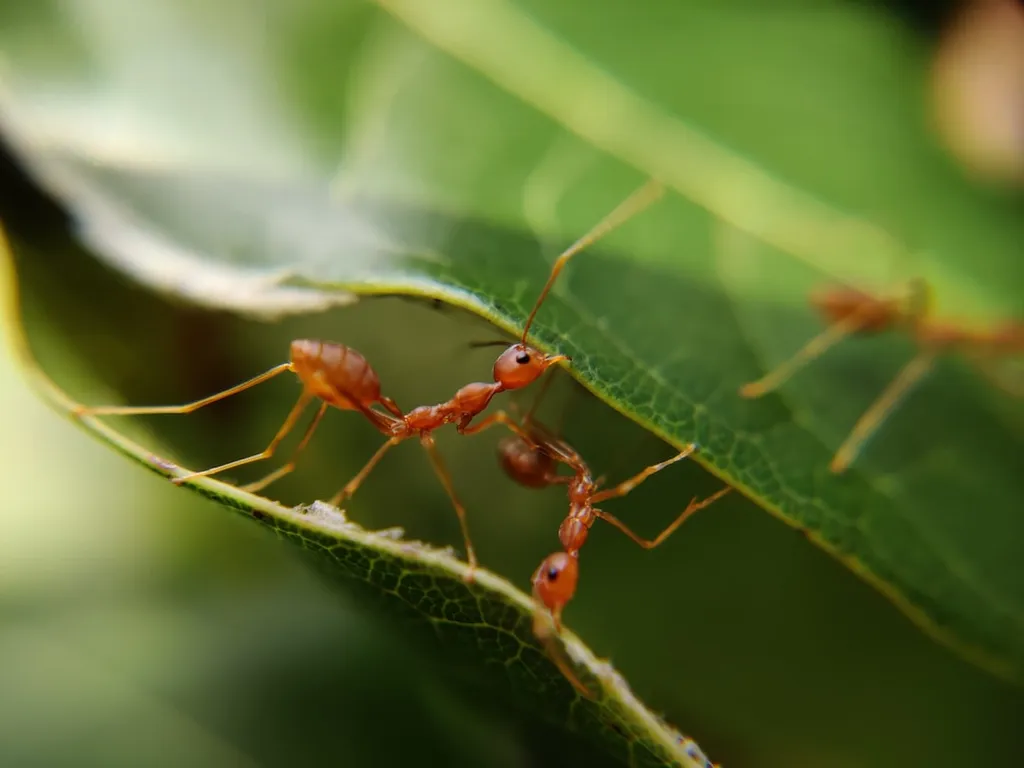
Are you dealing with a pesky invasion of big black ants in your garden? These insects, also known as carpenter ants, can cause significant damage to wooden structures and disturb the balance of your garden ecosystem. But fear not, we have the solution for you!
In this article, we will explore natural remedies to control big black ants in your garden without harming the environment or resorting to toxic chemicals. Understanding the behavior and lifecycle of these ants is essential for effective control, and we will provide you with all the information you need to tackle this problem head-on.
First, we will delve into the behavior of big black ants and why they are attracted to gardens. By understanding their preferences and favored habitats, you can take proactive steps to minimize their presence. We will guide you on how to remove attractants and create natural barriers to prevent these ants from entering your garden in the first place.
Next, we will introduce you to a range of natural remedies that have proven effective in ant control. From utilizing vinegar solutions and essential oils to introducing beneficial nematodes, we will explain how these methods work and provide tips for their application.
Additionally, we will discuss the lifecycle of big black ants and the impact they can have on your garden. Understanding their reproductive cycle and behavior will help you identify the most vulnerable stages to target for control measures.
By the end of this article, you will have a thorough understanding of how to naturally control big black ants in your garden. So, if you’re ready to reclaim your garden and protect your precious plants from these intruders, let’s dive in and discover the secrets to a harmonious garden free from big black ants!
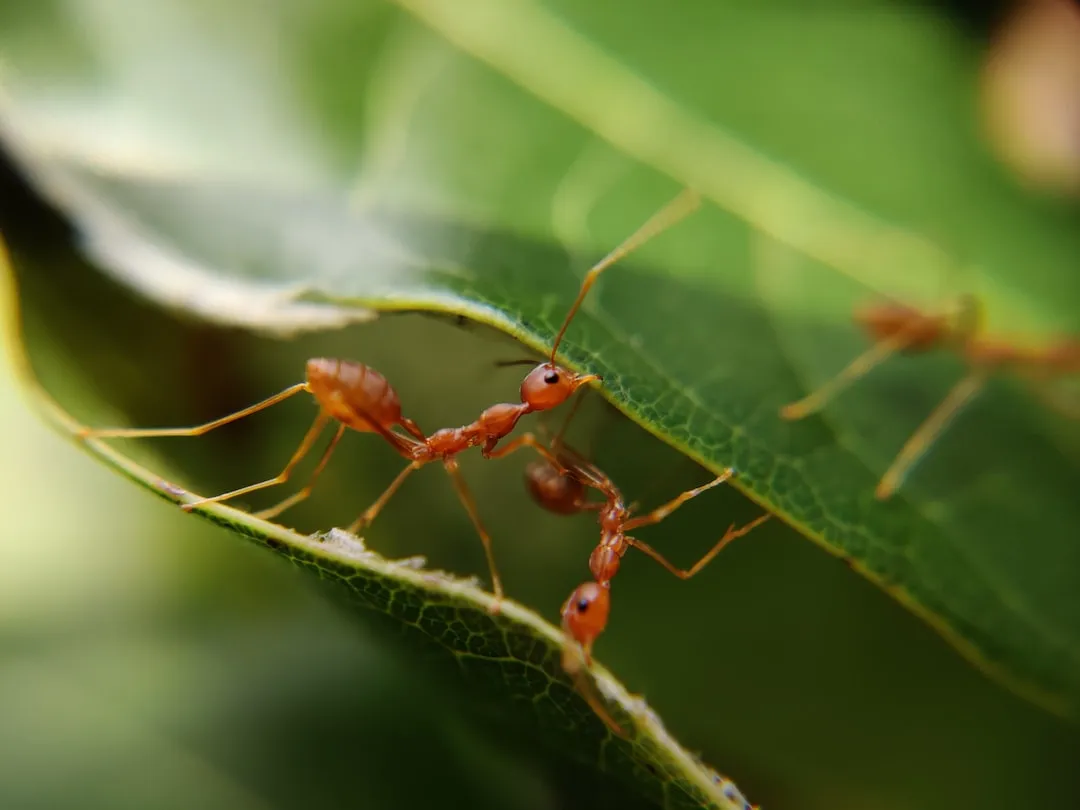
Natural Remedies to Control Big Black Ants in Your Garden
Understanding the Behavior of Big Black Ants
Before delving into natural remedies for controlling big black ants in your garden, it’s essential to understand their behavior. Big black ants, also known as carpenter ants, are attracted to garden areas because of the abundance of food sources, such as sugary plant secretions and plant debris.
These ants typically build their nests in decaying wood or moist areas and can cause significant damage to wooden structures if left unchecked. While it’s important to control the population of big black ants, it’s equally crucial to do so without harming the environment or using toxic chemicals that may also harm beneficial insects and plants.
1. Remove Attractants
The first step in controlling big black ants is to remove attractants from your garden. Clear away fallen leaves, logs, and any decaying wood that may serve as a potential nesting site. Moreover, make sure to keep your garden free of food debris, spills, and standing water that might attract these ants.
2. Create Barriers
Another effective method for preventing big black ants from entering your garden is by creating natural barriers. Scatter diatomaceous earth (DE) around the perimeter of your garden beds, as it acts as a natural repellant. DE dehydrates the ants and damages their exoskeleton, leading to their eventual demise. Additionally, you can use crushed mint leaves, cloves, or garlic as natural ant deterrents.
3. Vinegar Solution
Big black ants have a keen sense of smell, and they are repelled by the strong scent of vinegar. Create a solution by mixing equal parts of white vinegar and water in a spray bottle. Spritz this solution onto areas where you’ve noticed ant trails or nests, such as cracks, crevices, or wooden structures. Vinegar disrupts their pheromone trails and disrupts their communication, disorienting and deterring these pests.
4. Essential Oils
Several essential oils are known for their strong scents that repel ants. Peppermint oil, tea tree oil, and lemon oil are popular choices. Dilute a few drops of essential oil in water and spray it in areas where ant activity is observed. Ensure not to spray this solution directly onto plants as it may cause damage.
5. Beneficial Nematodes
Introducing beneficial nematodes into your garden can assist in controlling not only ants but also other harmful insects. These microscopic worms naturally occur in the soil and feed on the larvae of pests, inhibiting their population growth. Consult with a local gardening expert to determine the appropriate nematode species to use for controlling big black ants.
By implementing these natural remedies in your garden, you can effectively control big black ants without relying on harmful chemicals. Remember to regularly monitor your garden for signs of ant activity and make necessary adjustments to ensure long-lasting results.

The Lifecycle of Big Black Ants and Their Impact on Your Garden
Introduction
Big black ants, also known as carpenter ants, are a common sight in gardens around the world. These insects play a vital role in the ecosystem as they help decompose organic matter and aerate the soil. However, their presence can also cause significant damage to structures and plants if their colonies grow too large. Understanding the lifecycle of big black ants and their impact on your garden can help you better manage these pests and protect your landscape.
The Lifecycle of Big Black Ants
-
Egg Stage: The lifecycle of big black ants begins with the laying of eggs by the queen ant. Typically, a queen ant can produce hundreds of eggs in her lifetime. These eggs are small and white and are usually laid in hidden locations, such as cracks in wooden structures or beneath rocks.
-
Larval Stage: After the eggs hatch, they enter the larval stage. The larvae are small and white, resembling tiny maggots. During this stage, the larvae depend on the worker ants for food and care.
-
Pupal Stage: Once the larvae have grown to a certain size, they will enter the pupal stage. This is when the transformation from a larva to an adult ant occurs. Inside the pupa, various changes take place, including the development of wings and body structure.
-
Adult Stage: After the pupal stage, the fully developed adult ant emerges. At this point, the ant is ready to contribute to the colony’s activities, including foraging, nest maintenance, and reproduction. The lifespan of an adult ant can vary depending on the species but generally ranges from several months to a few years.
Impact on Your Garden
While big black ants can have a beneficial impact on your garden, they can also cause problems if their populations grow unchecked.
-
Structural Damage: Carpenter ants have powerful mandibles that allow them to tunnel through wood. If they infest your garden structures, such as fences or wooden decks, they can weaken the structural integrity over time. Regular inspections and timely treatment are essential to prevent extensive damage.
-
Plant Damage: Big black ants are not known to directly feed on plants, but they can indirectly harm them. They often establish their nests near or under plants, which can disturb the root system or damage plant roots during excavation. Additionally, carpenter ants are attracted to honeydew secreted by aphids and scale insects, which can lead to an increased presence of these plant-damaging pests.
-
Garden Health: Despite their potential downsides, big black ants also contribute to the overall health of your garden. They help with the decomposition of dead plant material, assisting in nutrient cycling. Their tunneling activities can also aerate the soil, allowing better water penetration and root development.
Conclusion
Understanding the lifecycle of big black ants and their impact on your garden can help you strike a balance between the benefits they provide and the potential damage they can cause. Regular monitoring, early intervention, and proper garden maintenance are key to ensuring these fascinating insects remain a beneficial presence in your garden rather than a nuisance.