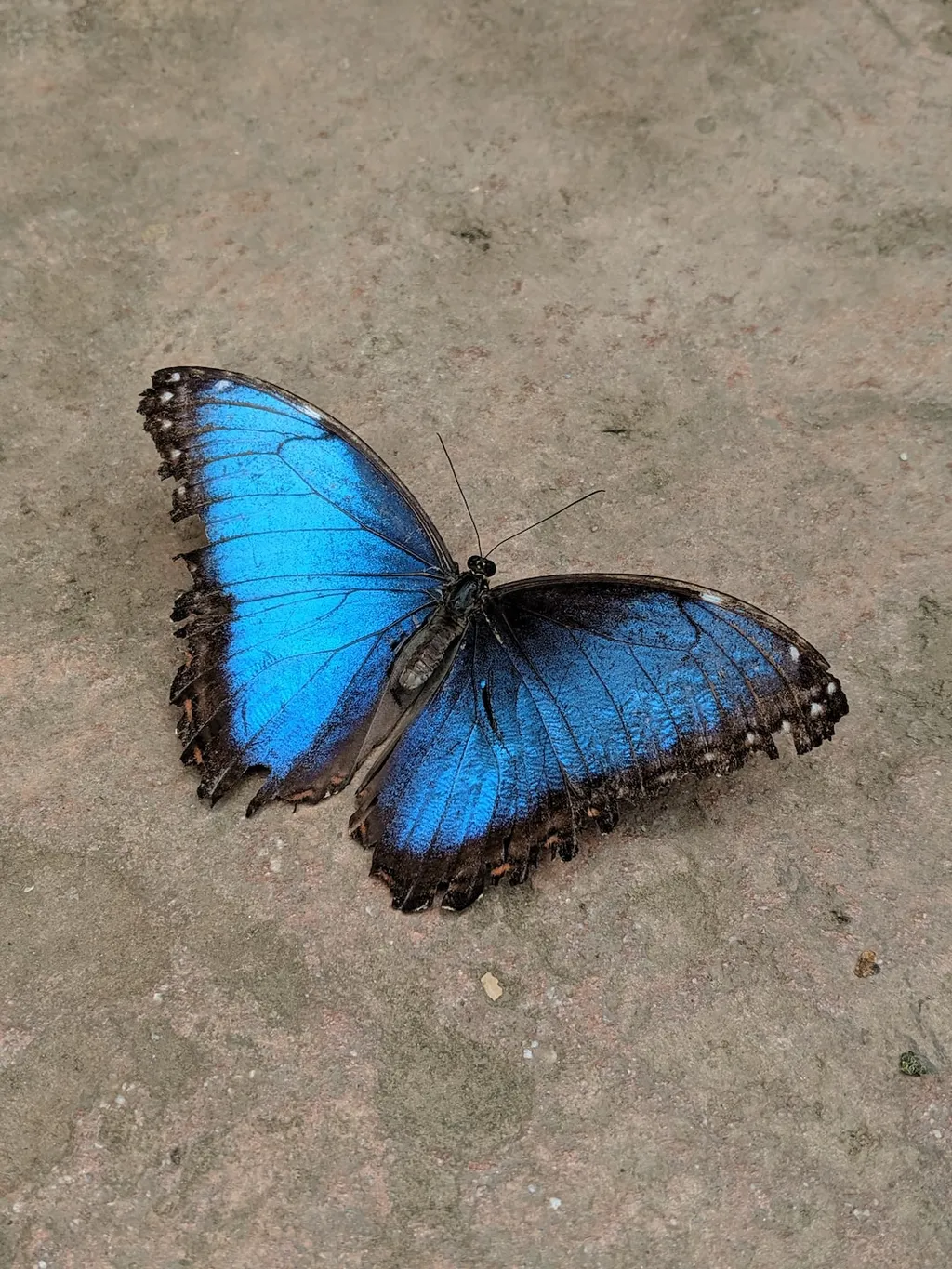
Are you fascinated by the graceful flight of butterflies? Have you ever wondered what it would be like to have these beautiful insects as pets? If so, you’re in for a treat! In this article, we will explore the world of butterflies as pets and discover the joys and benefits of creating a butterfly-friendly habitat in your own backyard.
Butterflies are not your typical choice for a pet, but they can bring a unique sense of wonder and enchantment to your life. Imagine watching these colorful creatures flit and flutter around your garden, their delicate wings catching the sunlight as they land on vibrant flowers. By understanding the needs of butterflies and providing them with the essentials – food, water, shelter, and host plants – you can attract a wide variety of species and create a haven for these fascinating insects.
In this article, we will delve into the details of creating a butterfly-friendly backyard. You’ll learn about the importance of planting nectar-rich flowers, creating a butterfly puddling station, and providing shelter and host plants. We will also discuss the significance of avoiding pesticides and embracing organic gardening methods to create a safe environment for butterflies and other beneficial insects.
Furthermore, we will address common questions and concerns about keeping butterflies as pets. Can butterflies be kept indoors? What do butterflies eat? How can you care for butterfly eggs and caterpillars? We will provide answers to these questions and more.
So, if you are curious about butterflies and want to create a magical space where these enchanting creatures can thrive, join us on this journey. Discover the surprising benefits of keeping butterflies as pets and learn how you can create a butterfly-friendly haven right in your own backyard. Get ready to embark on an extraordinary adventure with these delicate and mesmerizing insects!
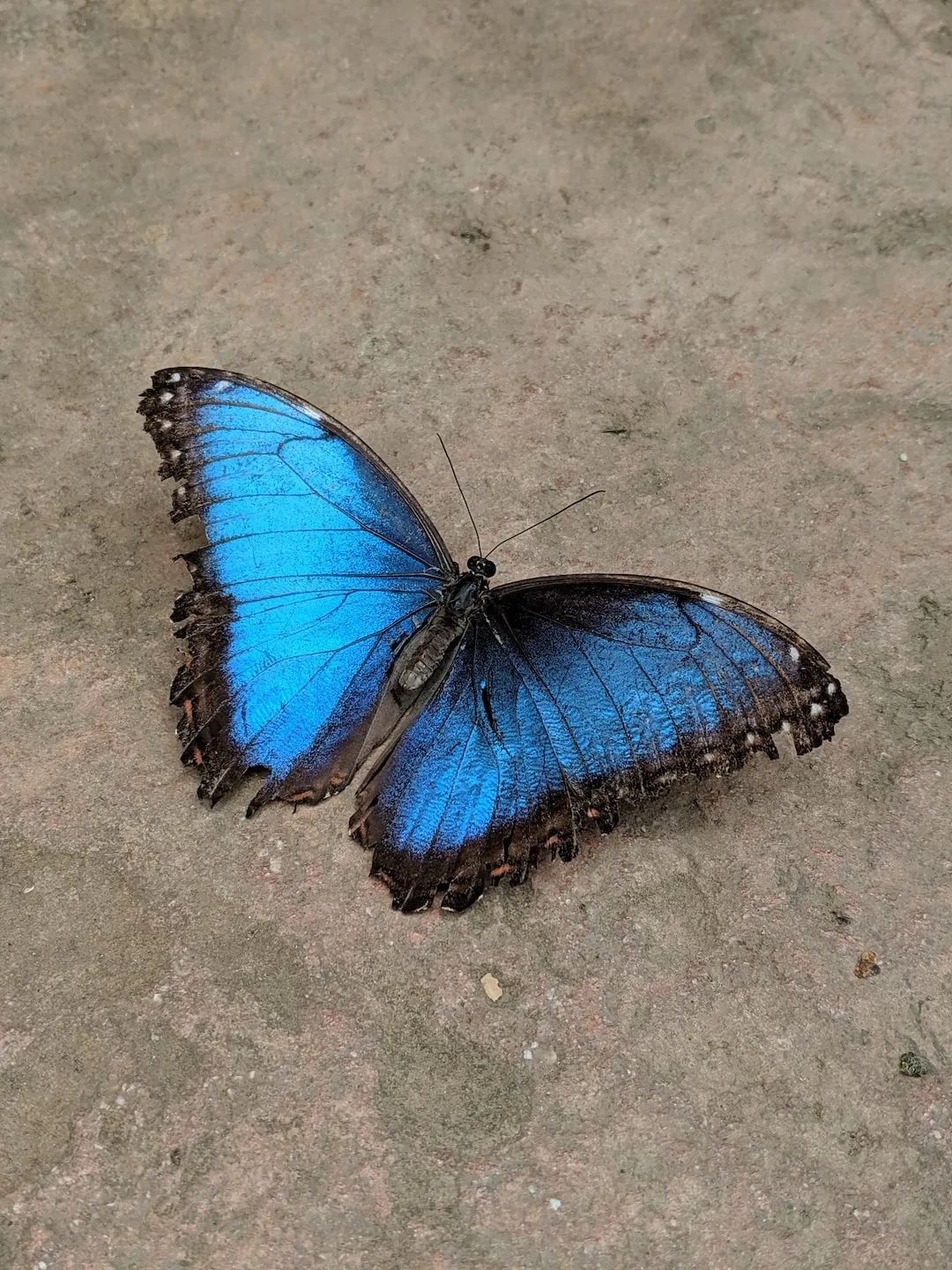
Butterflies in Your Backyard: Creating a Butterfly-Friendly Haven
Do you love watching butterflies fluttering around your garden? Are you interested in creating a welcoming haven for these delicate and fascinating creatures? With a few simple steps, you can transform your backyard into a butterfly-friendly habitat that will attract these beautiful insects and provide them with a safe space to thrive.
Understanding the Needs of Butterflies
Before you begin creating a butterfly-friendly backyard, it’s important to understand the needs of these winged wonders. Butterflies require four essential elements for their survival: food, water, shelter, and places to lay their eggs. By incorporating these elements into your garden, you will be able to attract a wide variety of butterfly species.
Planting Nectar-Rich Flowers
One of the most crucial aspects of creating a butterfly-friendly backyard is planting a variety of nectar-rich flowers. Butterflies feed on the nectar produced by flowers, so having a diverse selection of flowering plants will ensure a constant food source for them. Some popular flowers that butterflies love include marigolds, zinnias, aster, and butterfly bush. By planting a mix of annuals and perennials, you can provide a continuous supply of nectar throughout the seasons.
Creating a Butterfly Puddling Station
In addition to nectar, butterflies also need water and minerals for their survival. You can create a butterfly puddling station by placing a shallow dish filled with sand or small rocks in your garden. Add water to the dish so that it creates a wet mud-like consistency. Butterflies are attracted to the minerals found in damp soil and will often gather around these puddling stations to drink and obtain essential nutrients.
Providing Shelter and Host Plants
Butterflies require sheltered spaces to rest and take shelter from inclement weather. You can create butterfly-friendly habitats by adding feeding trays or shallow dishes filled with moist sand or soil. These spaces will provide butterflies with a place to rest and bask in the sun. Additionally, incorporating host plants into your garden is crucial as these are the plants on which butterflies lay their eggs. Depending on your region and the butterfly species you want to attract, host plants can include milkweed, dill, parsley, or fennel.
Avoiding Pesticides
To create a truly butterfly-friendly garden, it’s important to avoid using pesticides. Butterflies are highly sensitive to chemicals, and even small amounts of pesticides can be harmful or fatal to them. Embrace organic gardening methods and explore natural alternatives to pest control to ensure a safe environment for butterflies and other beneficial insects.
The Joy of Butterfly Watching
Creating a butterfly-friendly backyard not only benefits the butterflies themselves, but it also provides you with the opportunity to enjoy the mesmerizing beauty of these delicate creatures. Watching butterflies fluttering from flower to flower can be a calming and enjoyable experience that connects you with the natural world. So why not transform your backyard into a haven for butterflies and reap the rewards of a harmonious coexistence with these magnificent insects? With a little effort and the right resources, you can create a butterfly-friendly garden that will bring joy to both you and the butterflies that visit.

Frequently Asked Questions: Everything You Need to Know About Butterflies as Pets
Can butterflies be kept as pets?
Yes, butterflies can be kept as pets, but it’s important to remember that they have specific needs that must be met for their well-being. While it may be more common to keep traditional pets like dogs or cats, keeping butterflies as pets can be a unique and rewarding experience.
What do butterflies eat?
Butterflies primarily feed on nectar, which is the sweet liquid found in flowers. They have a proboscis, a long, straw-like mouthpart, which they use to suck up the nectar. Some species of butterflies also feed on fruit juices or tree sap. It’s important to provide a variety of nectar-rich flowers and fruits to ensure a balanced diet for your pet butterflies.
How do I create a suitable habitat for pet butterflies?
Creating a suitable habitat for pet butterflies involves creating a butterfly-friendly garden or enclosure. This can be done by planting nectar-rich flowers, providing shallow dishes of water for drinking, and including host plants for the caterpillars to feed on. It’s essential to avoid using pesticides in the area as they can be harmful to butterflies.
Can I keep butterflies indoors?
Yes, you can keep butterflies indoors, but it’s crucial to ensure that they have adequate space, lighting, and ventilation. Indoor enclosures should mimic the outdoor environment as closely as possible. It’s important to note that most adult butterflies have a relatively short lifespan, so it’s essential to provide them with suitable conditions to maximize their lifespan.
How do I care for butterfly eggs and caterpillars?
If you’re interested in observing the complete lifecycle of butterflies, you can care for their eggs and caterpillars. To care for butterfly eggs, it’s crucial to provide them with suitable host plants and ensure they are kept in a controlled environment with the right temperature and humidity levels. Caterpillars require specific host plants to feed on and should be kept in a clean, spacious enclosure until they form a chrysalis.
What should I do if my pet butterfly gets injured?
If your pet butterfly gets injured, it’s essential to handle it gently and minimize stress. Avoid touching its wings as they are fragile and can easily get damaged. If the injury is severe, you may need to consult a veterinarian who specializes in butterfly care. In some cases, providing a safe, quiet space with food and water may be enough for the butterfly to recover on its own.
How long do butterflies live?
The lifespan of butterflies can vary greatly depending on the species. Some species may only live for a few days, while others can live up to several months. Factors such as environmental conditions, availability of food, and genetic factors can also influence the lifespan of butterflies.
Are there any legal restrictions on keeping butterflies as pets?
While keeping butterflies as pets is generally allowed, it’s important to check your local laws and regulations regarding wildlife conservation and pet ownership. Some species of butterflies may be protected or require permits to keep. It’s always best to research and ensure that you are keeping your pet butterflies legally and ethically.
By understanding the needs of butterflies and providing them with a suitable habitat, you can enjoy the beauty and wonder of these delicate creatures as pets. Just remember to do your research, provide proper care, and respect any legal restrictions in your area.