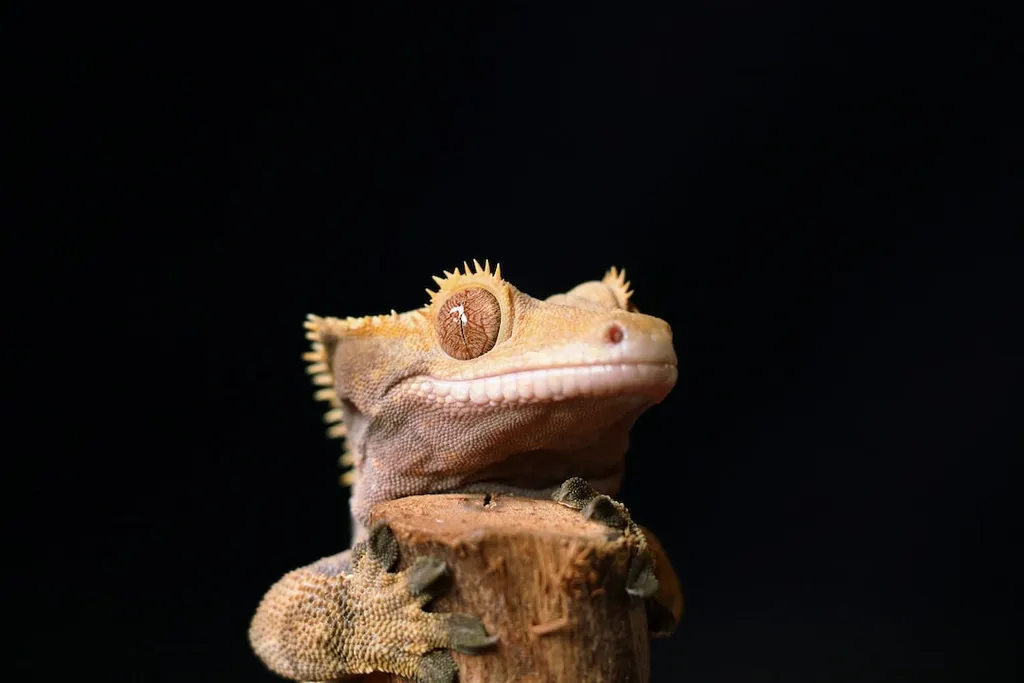
Are you fascinated by the incredible diversity of crested geckos and how their unique genetic traits are inherited? If so, you’re in the right place! Whether you’re a passionate breeder looking to manipulate genetic characteristics or simply an enthusiast interested in learning more, this article will provide you with a comprehensive understanding of crested gecko genetics.
From dominant and recessive traits to co-dominance and polygenic inheritance, we’ll explore the fundamental principles of genetics that shape the traits of these captivating reptiles. Discover how certain traits can be expressed even with a single gene copy, while others require two. Explore the fascinating world of co-dominance, where two different alleles produce a distinct phenotype, and delve into the complexities of polygenic traits that are influenced by multiple gene pairs.
But it doesn’t stop there! We’ll guide you through various breeding strategies used by experienced breeders to manipulate crested gecko genetic traits. Explore selective pairing, line breeding, and even hybridization to create unique combinations of traits. Learn how temperature manipulation can influence genetic expression, and discover how genetic testing has revolutionized the breeding process.
Understanding crested gecko genetics is not only essential for breeders but also provides insight into the incredible diversity and beauty of these creatures. By unraveling the intricacies of their genetic makeup, we gain a deeper appreciation for their traits and can contribute to the ongoing evolution of this extraordinary species.
So, whether you’re an aspiring breeder or just curious about the marvels of crested gecko genetics, join us as we embark on a journey into the world of inheritance patterns and breeding strategies. Get ready to unravel the mysteries of crested gecko genetics and dive into the fascinating world of these remarkable reptiles!
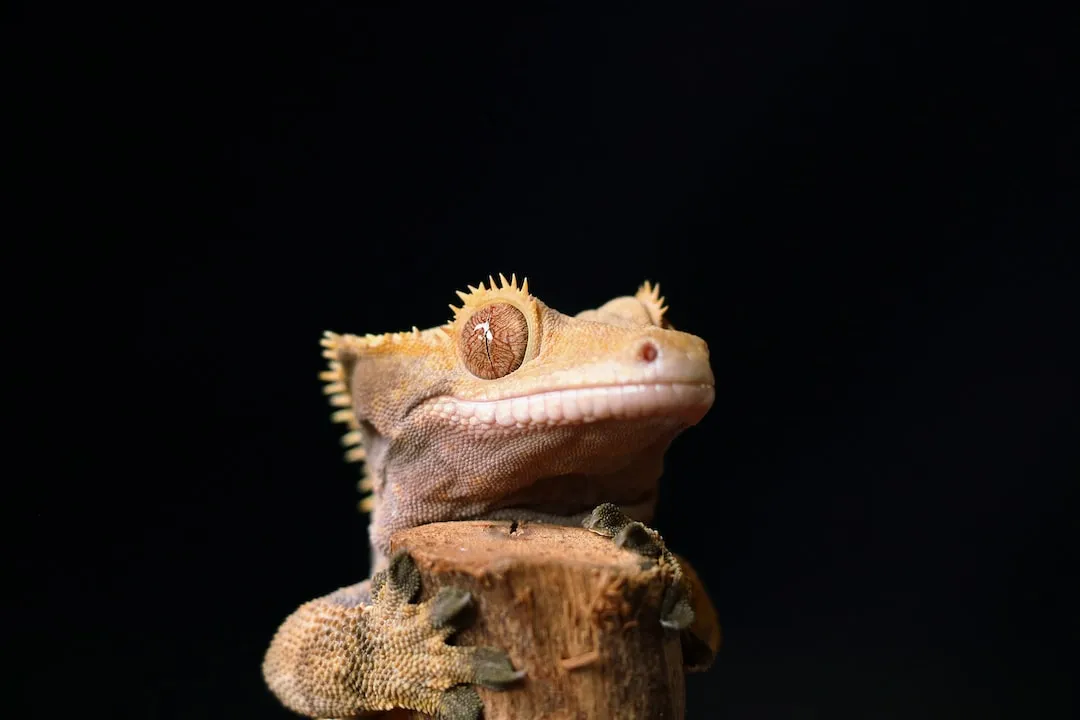
The Basics of Crested Gecko Genetics: An Introduction to Understanding Their Inheritance
Crested geckos, scientifically known as Correlophus ciliatus, are fascinating creatures that have become increasingly popular as pets in recent years. Their unique appearance, low maintenance requirements, and gentle temperament have captured the hearts of reptile enthusiasts around the world. To truly appreciate these amazing creatures, it is essential to understand the basics of their genetics and how certain traits are inherited.
Understanding Mendelian Inheritance
The study of genetics in crested geckos follows the principles of Mendelian inheritance, which describe how traits are passed down from one generation to the next. Genes, located on chromosomes inside the cells, carry the instructions for the development and functioning of an organism. In crested geckos, genes determine characteristics such as coloration, pattern, and even temperament.
Dominant and Recessive Traits
One of the fundamental concepts in crested gecko genetics is the distinction between dominant and recessive traits. Dominant traits are those that are expressed even if an individual carries only one copy of the gene for that trait. On the other hand, recessive traits require two copies of the gene to be present for the trait to manifest.
In crested geckos, different variations of color and pattern can be dominant or recessive. For example, the “flame” trait, characterized by vibrant orange markings, is a dominant trait, while the “harlequin” pattern, with irregular patches of color, is recessive. When two geckos with different traits are bred together, the resulting offspring may show a combination of both traits or inherit one dominant trait over the other.
Co-Dominance and Polygenic Traits
Aside from dominant and recessive traits, crested gecko genetics can also involve co-dominance and polygenic traits. Co-dominance occurs when two different alleles (variations of a gene) are both expressed, resulting in a distinct phenotype. An example of co-dominance in crested geckos is the “pinstripe” trait, where thin stripes overlay the base color, creating a striking pattern.
Polygenic traits, on the other hand, are influenced by multiple gene pairs rather than a single gene. These traits often exhibit a wide range of variations, making the inheritance patterns more complex. In crested geckos, polygenic traits can determine aspects such as the intensity of color or the size and shape of certain features. Breeders often use selective breeding over multiple generations to achieve specific combinations of polygenic traits.
Inbreeding and Genetic Health
Breeding crested geckos with desirable traits often involves selectively mating individuals that possess those traits. However, it is crucial to maintain genetic diversity within a population to prevent the negative effects of inbreeding. Inbreeding can lead to a higher risk of genetic disorders, reduced fertility, and overall weaker health in crested geckos. Responsible breeders carefully plan their breeding programs to maintain healthy and genetically diverse populations.
In conclusion, understanding the basics of crested gecko genetics is key to appreciating the incredible diversity and unique traits found in these fascinating creatures. By exploring dominant and recessive traits, as well as co-dominance and polygenic traits, we can unravel the intricacies of their inheritance patterns. As responsible owners and breeders, it is essential to prioritize genetic diversity to ensure the long-term health and well-being of these captivating reptiles.
Breeding Strategies for Manipulating Crested Gecko Genetic Traits
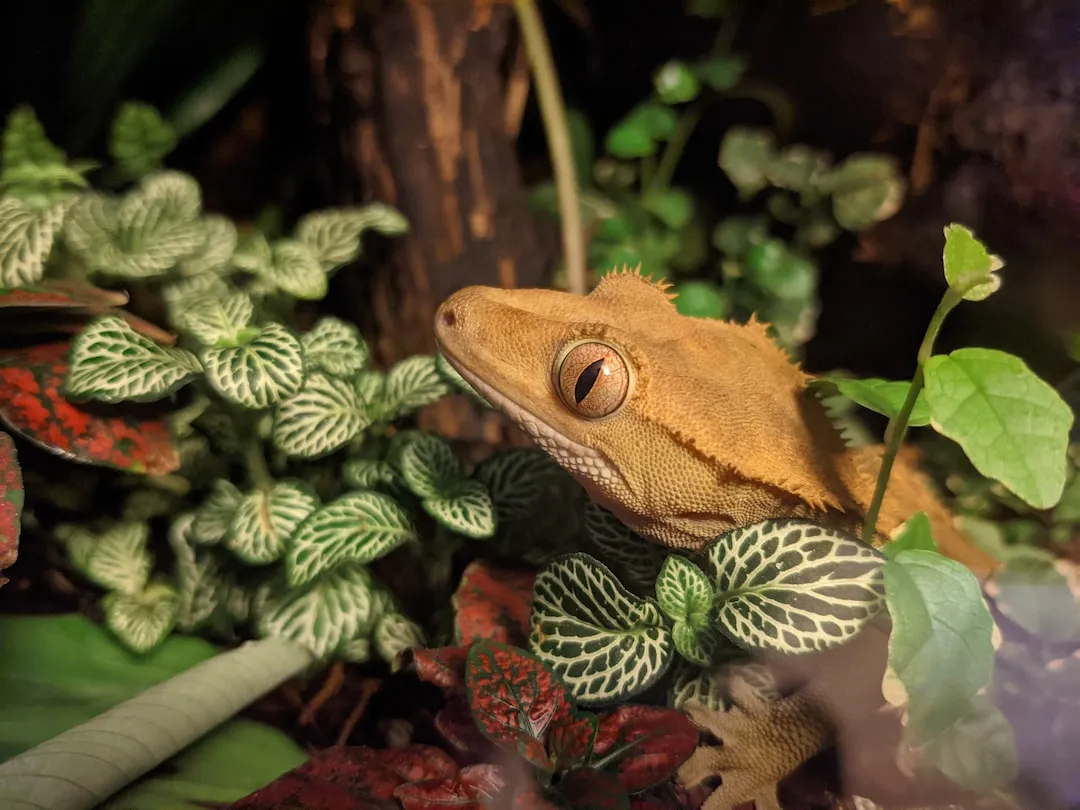
Breeding crested geckos can be a fascinating and rewarding experience, especially when it comes to manipulating their genetic traits. With careful planning and specific breeding strategies, it is possible to create unique and desirable characteristics in these remarkable reptiles. In this article, we will explore some popular breeding strategies that can be employed to produce crested geckos with specific genetic traits.
Selective Pairing of Crested Geckos
One effective breeding strategy for manipulating crested gecko genetic traits is through selective pairing. By carefully selecting the parents based on their desired traits, breeders can increase the likelihood of producing offspring with those specific traits. For example, if a breeder wants to produce crested geckos with bold and vibrant color patterns, they may choose to pair two geckos with exceptional coloration. By doing so, they can increase the chances of offspring displaying similar traits.
Line Breeding
Line breeding involves breeding closely related individuals to reinforce desired genetic traits. This strategy is often used to establish and stabilize specific characteristics within a crested gecko lineage. By selecting individuals with the desired traits and breeding them over several generations, breeders can increase the chances of offspring inheriting those traits consistently.
Hybridization
Hybridization is another breeding strategy that can be employed to manipulate crested gecko genetic traits. By crossing different species or subspecies of crested geckos, breeders can create unique combinations of traits not typically found in a single species. However, it is important to note that hybridization should be done responsibly, taking into consideration the health and well-being of the geckos involved.
Temperature Manipulation
Temperature manipulation, also known as thermoregulation, can be used as a breeding strategy to influence genetic traits in crested geckos. By exposing the eggs or young hatchlings to specific temperature ranges, breeders can influence the expression of certain traits. This technique is particularly effective in determining the sex of the offspring, as temperature plays a crucial role in sexual development in reptiles.
Genetic Testing
In recent years, genetic testing has become an invaluable tool for breeders looking to manipulate crested gecko genetic traits. Through DNA analysis, breeders can determine the genetic makeup of individual geckos and identify specific genes that contribute to certain traits. This allows breeders to create targeted breeding programs and make informed decisions about pairing geckos based on their genetic compatibility.
In conclusion, breeding crested geckos offers endless possibilities for manipulating genetic traits and creating unique and desirable characteristics. By employing selective pairing, line breeding, hybridization, temperature manipulation, and genetic testing, breeders can produce crested geckos with specific traits and contribute to the ongoing evolution of this fascinating species. However, it is important for breeders to prioritize the health and well-being of the geckos throughout the breeding process.