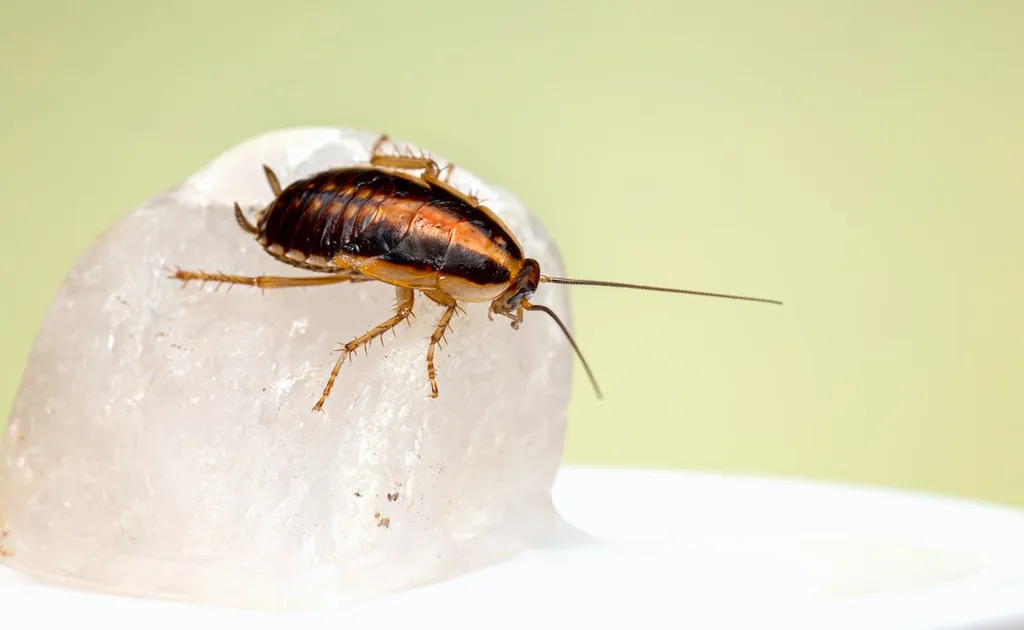
German cockroaches, with their unwavering resilience and ability to survive in diverse environments, have long been the bane of homeowners and business owners alike. These small insects, scientifically known as Blattella germanica, possess remarkable adaptability and evolutionary traits that enable them to thrive even amidst extermination efforts. In this article, we will delve into why German cockroaches are so resilient and discuss effective strategies to prevent them from invading your home.
The key to the German cockroach’s ability to rebound quickly lies in their remarkably fast reproductive cycle. With high fertility rates and the capability to breed rapidly, these pests can produce numerous offspring in a short span of time. Additionally, their thigmotaxis behavior allows them to squeeze into tight spaces and find shelter in hidden cracks and crevices, protecting them from predators and extreme conditions.
Another factor contributing to the cockroach’s resilience is their omnivorous diet. German cockroaches are opportunistic feeders, able to survive on a wide range of organic matter, from sugary foods to decaying plant material and even book bindings. This adaptability ensures they can find nourishment in various environments, increasing their chances of survival.
Moreover, German cockroaches have developed resistance to many common pesticides. They possess enhanced metabolic pathways that allow them to detoxify and excrete toxic substances rapidly, making it difficult for pesticides to harm them. These pests also exhibit grooming and selective feeding behaviors, minimizing their contact with chemicals.
Although these pests seem unbeatable, there are preventative measures that can be taken to keep your home free from German cockroach infestations. By maintaining cleanliness, storing food properly, sealing entry points, eliminating moisture, regularly inspecting and cleaning appliances, and seeking professional pest control when necessary, you can significantly reduce the risks of a roach invasion.
Understanding the resilience of German cockroaches and implementing proactive prevention strategies is crucial for maintaining a clean, pest-free living environment. So, let’s explore the intriguing world of German cockroaches and discover effective ways to keep them at bay.

Why are German Cockroaches so resilient?
Adaptability and Evolution
German cockroaches, scientifically known as Blattella germanica, are notorious for their resilience and ability to survive in a wide range of environments. These small, light brown insects have evolved to withstand various adverse conditions, allowing them to thrive in homes, businesses, and even the wild. Understanding why German cockroaches are so resilient requires delving into their adaptability and evolutionary traits.
Quick Reproduction Cycle
One of the key factors that contribute to the resilience of German cockroaches is their rapid reproductive cycle. These insects have a high fertility rate and can breed quickly, producing many offspring in a short span of time. A female German cockroach can lay up to 40 eggs in a single ootheca, a protective case that holds the eggs until they hatch. Each ootheca can give rise to more than 30 nymphs, which reach sexual maturity in as little as 36 days. This fast reproductive cycle ensures that the cockroach population can rebound swiftly, even after facing severe extermination measures.
Thigmotaxis Behavior
Thigmotaxis is the behavior exhibited by German cockroaches where they prefer tight spaces and surfaces in contact with their bodies. This behavior, combined with their flattened bodies, allows them to squeeze into narrow cracks and crevices, providing them with shelter and protection from predators and adverse environmental conditions. The ability to hide and seek refuge in hard-to-reach areas enables German cockroaches to survive and reproduce effectively.
Omnivorous Diet
Another factor that contributes to the resilience of German cockroaches is their omnivorous diet. These insects are opportunistic feeders, meaning they can consume a wide variety of food sources. While they prefer starchy and sugary foods, German cockroaches can survive on an incredibly diverse range of organic matter, including decaying plant material, garbage, pet food, and even book bindings. This adaptation allows them to find nourishment in almost any environment, increasing their chances of survival.
Resistance to Pesticides
Over time, German cockroaches have developed resistance to many commonly used insecticides. This resistance is primarily due to their ability to rapidly detoxify and excrete toxic substances. They possess enhanced metabolic pathways that break down pesticides before they can cause harm. Additionally, German cockroaches have behaviors such as grooming and selective feeding, allowing them to minimize contact with pesticides. This resilience to chemicals contributes to their survival, even in the face of extermination efforts.
In conclusion, German cockroaches have earned their reputation for resilience due to their adaptability and evolutionary traits. Their ability to reproduce quickly, thigmotaxis behavior, omnivorous diet, and resistance to pesticides all play a significant role in their survival. Understanding these factors can help in developing effective strategies for controlling and eradicating German cockroach infestations.
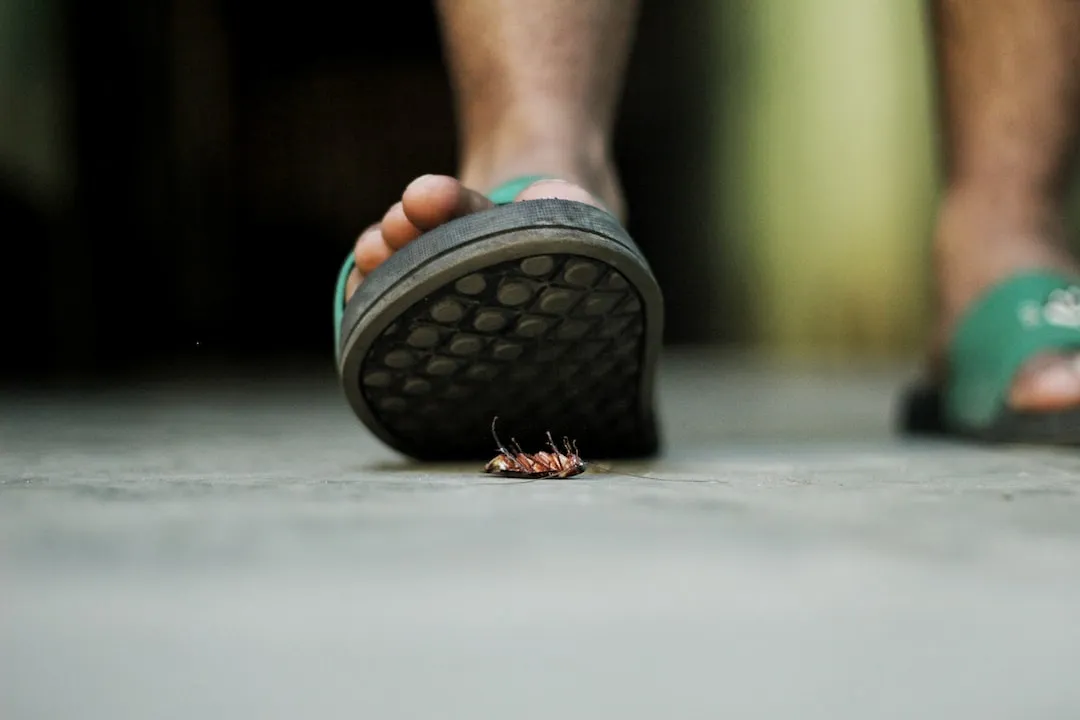
Preventing German Cockroaches from invading your home
If you want to keep your home free from German cockroach infestations, there are several preventative measures you can take. These small pests can easily make their way into your living spaces and create a nuisance, so it’s important to be proactive in keeping them at bay. Here are some effective ways to prevent German cockroaches from invading your home:
1. Keep your home clean and tidy
German cockroaches are attracted to food sources, spills, and clutter. By maintaining a clean and tidy living environment, you can significantly reduce the chances of an infestation. Regularly sweep and mop your floors, clean up spills immediately, and wipe down countertops. Be sure to clean up any pet food or spills from their bowls as well. Additionally, decluttering your space and removing any unnecessary items can eliminate potential hiding spots for these pests.
2. Store food properly
Roaches are notorious for infiltrating food storage areas, so it’s important to store your food properly. Keep your pantry organized and use airtight containers to store dry goods, such as cereals, grains, and baking ingredients. This prevents roaches from detecting and accessing food sources in your home. It’s also a good idea to regularly inspect your pantry for signs of infestation, such as roach droppings or egg capsules.
3. Seal entry points
German cockroaches can enter your home through even the tiniest cracks and crevices. Inspect your home for potential entry points and seal them accordingly. Use caulk to fill gaps around windows, doors, and pipes. Install door sweeps to seal gaps beneath exterior doors. By sealing off these entry points, you can make it much more difficult for roaches to find their way indoors.
4. Eliminate moisture
German cockroaches thrive in humid and moist environments. To prevent infestations, it’s essential to eliminate any excess moisture in your home. Fix any leaky pipes or faucets, ensure your bathroom is well-ventilated, and use a dehumidifier in areas prone to dampness. By reducing moisture levels, you can create an inhospitable environment for roaches.
5. Regularly inspect and clean appliances
Roaches love warm and cozy hiding spots, and household appliances provide just that. Regularly inspect and clean your appliances, including refrigerators, stoves, and microwaves. Pay particular attention to the areas behind and underneath these appliances, as roaches are known to take refuge there. By keeping your appliances clean, you can deter roaches from making themselves at home.
6. Seek professional pest control
If you’ve taken preventative measures but still find yourself dealing with a German cockroach infestation, it may be time to seek professional help. Pest control experts have specialized knowledge and tools to effectively eliminate these persistent pests from your home. They can also provide guidance on long-term prevention strategies to ensure that your home remains cockroach-free.
Remember, preventing a German cockroach invasion is much easier than dealing with an infestation. By following these preventative measures, you can minimize the risks and enjoy a clean, pest-free living environment.